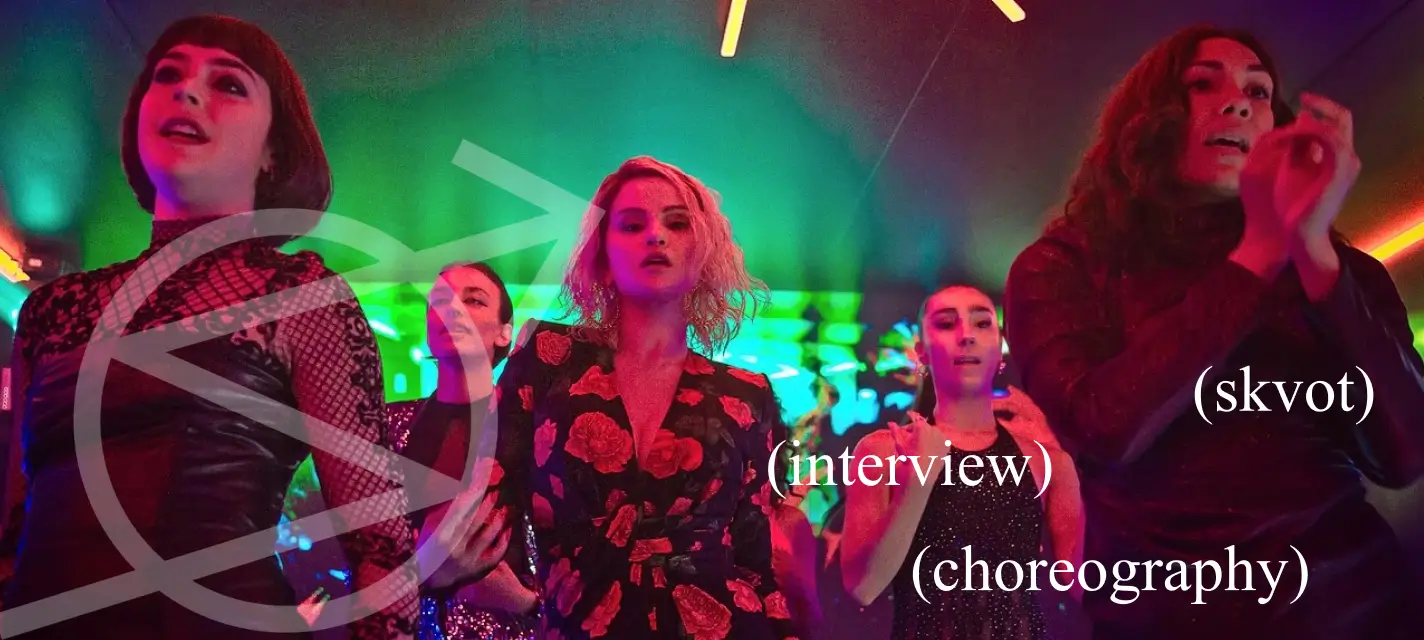

On November 7, the French film Emilia Pérez hits theaters. It tells the story of Juan Del Monte, a ruthless Mexican cartel leader who has always dreamed of becoming a woman. His dream comes true with the help of an experienced lawyer, Rita (played by Hollywood actress Zoe Saldaña).
Directed by Jacques Audiard (Rust and Bone, The Sisters Brothers), the film blends crime drama with musical elements. Emilia Pérez received critical acclaim at this year’s Cannes Film Festival, winning awards for Best Music and Best Actress (shared among the four lead actresses).
The screenplay was inspired by a chapter from Listen, a novel by French author Boris Razon. Audiard wrote the first draft during the pandemic.
All of the film’s main characters are women. Interestingly, the role of the lawyer was initially written as a man, but later, the character was reimagined as the ambitious and cynical Rita. Zoe Saldaña, who started her career as a ballet dancer, was well-prepared for the film’s intense rehearsals.
Casting the role of Emilia Pérez took time, until Jacques Audiard ultimately chose Karla Sofía Gascón. The protagonist’s daughter is played by Selena Gomez, who described working on Emilia Pérez as one of the best experiences of her career (alongside Spring Breakers).
The film’s choreography was created by Damien Jalet, a Belgian-French choreographer and dancer. His previous work includes Boléro for the Paris Opera Ballet with Marina Abramović, Suspiria with Luca Guadagnino, and Paul Thomas Anderson’s short film Anima (2019).
Skvot Mag spoke with Damien Jalet about the body language in Emilia Pérez, blending songs with dialogue, and the creative challenges posed by Jacques Audiard.
What was your first reaction when Jacques Audiard invited you to work on this film?
It was a crazy situation. When I got the call saying Audiard wanted to meet me, I was in Mexico City — a place I know well and have worked in for years.
Our meeting happened after two exciting experiences with directors (Suspiria with Luca Guadagnino and Anima with Paul Thomas Anderson), right in the middle of the pandemic when many screenings were being canceled. I was hoping for a great director to offer me an interesting project — one that would also allow me to work in Mexico again. So Jacques' offer came at the perfect moment. He flew to Mexico two days later, and that’s when we met for the first time.
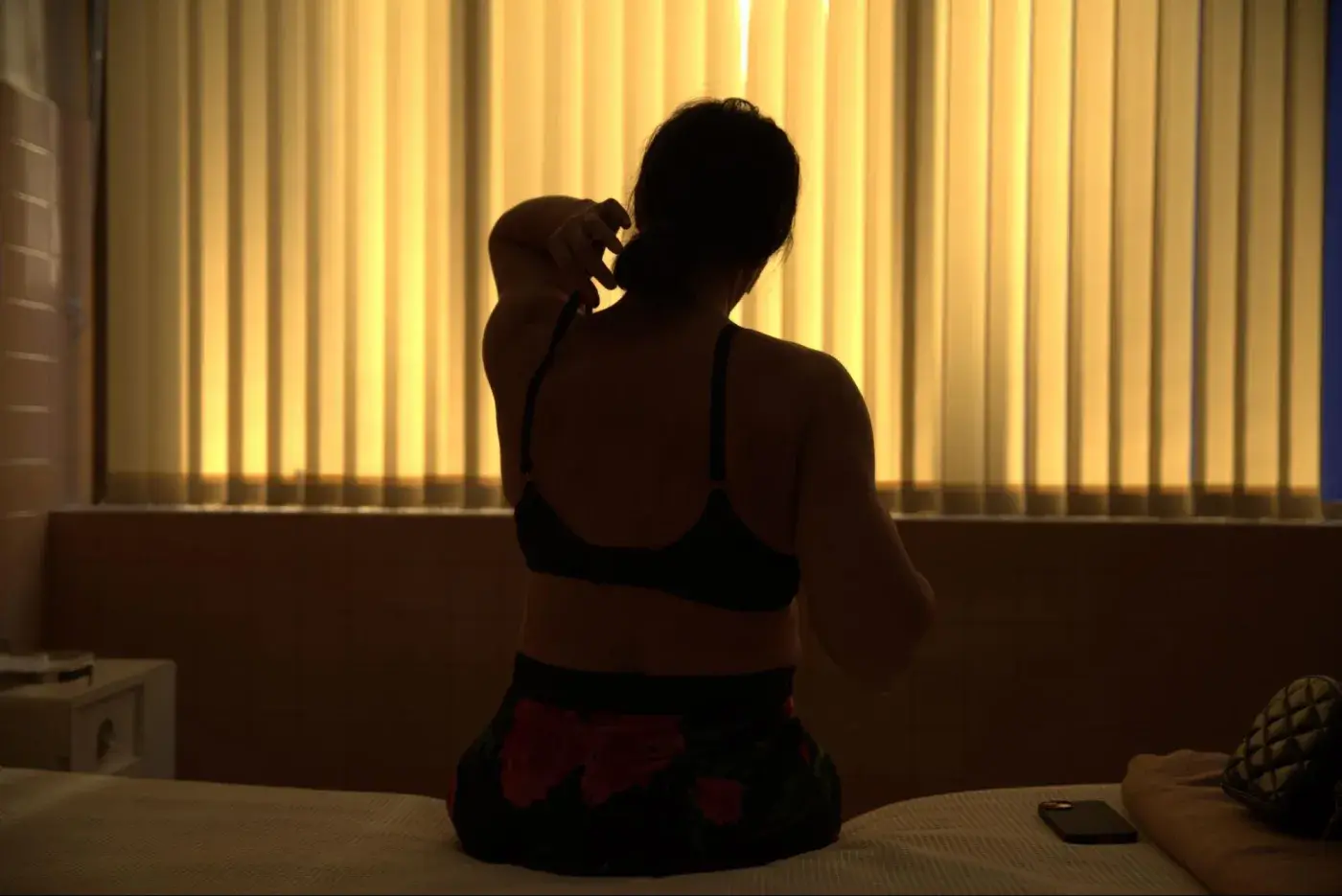
A scene from the movie Emilia Pérez (hereinafter)
What kind of choreography did you imagine when you read the script?
The script immediately struck me as captivating and intriguing, but it had no references.
There were no cues for dance scenes or musical elements. From the start, it was clear that my work with Jacques would be a true collaboration and that I would have the freedom to carve out my own space in the film.
How did you approach working on the film?
It was a long process. From our first meeting in late 2021 to the start of filming in spring 2023, we spent a lot of time together, talking and aligning our visions. Since Jacques had never worked with a choreographer before, I made it clear from the beginning that I could be present on set. That was the only way to create something where the actors' body language truly supported their performances.
What do you mean by that?
Until now, my work as a choreographer in film focused on dance scenes without dialogue. But with Emilia Pérez, music, dialogue, and choreography work together to tell the story. The body language doesn’t simply mimic the dialogue or illustrate it literally. Instead, I had to invent an alternative language — one that served a real purpose and added urgency and intensity to the scenes.

The very first scene sets up this dynamic between different artistic elements in the film
At this point in the story, Rita (Zoe Saldaña) hasn’t fully stepped into her role yet. She speaks in a simple, hesitant way, influenced by her lower-class background and legal jargon (she's a lawyer working on a plea deal). Her body language reflects this. As the film progresses, she grows more confident, and her physical presence becomes more expressive. She develops both her gestures and her strength simultaneously.
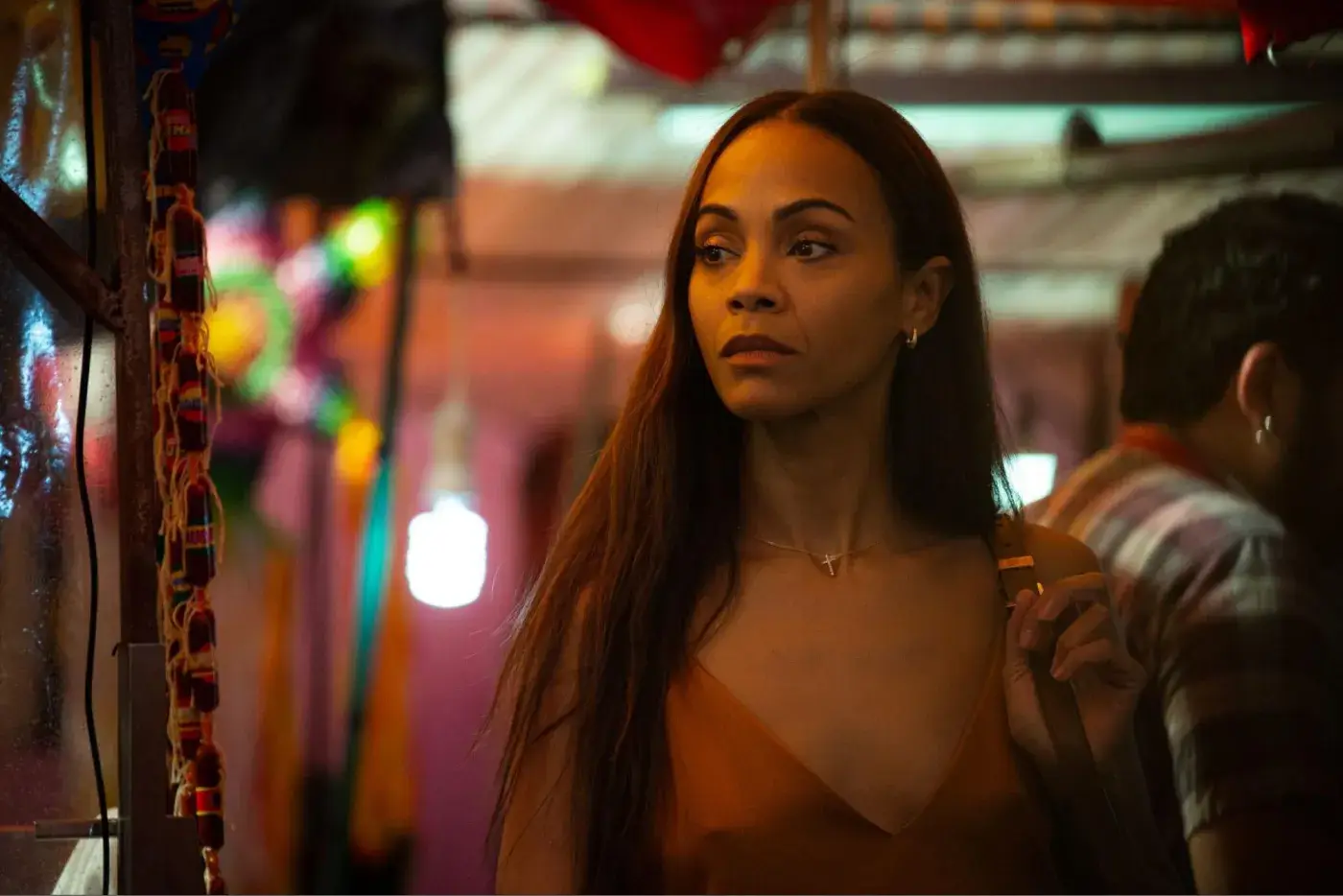
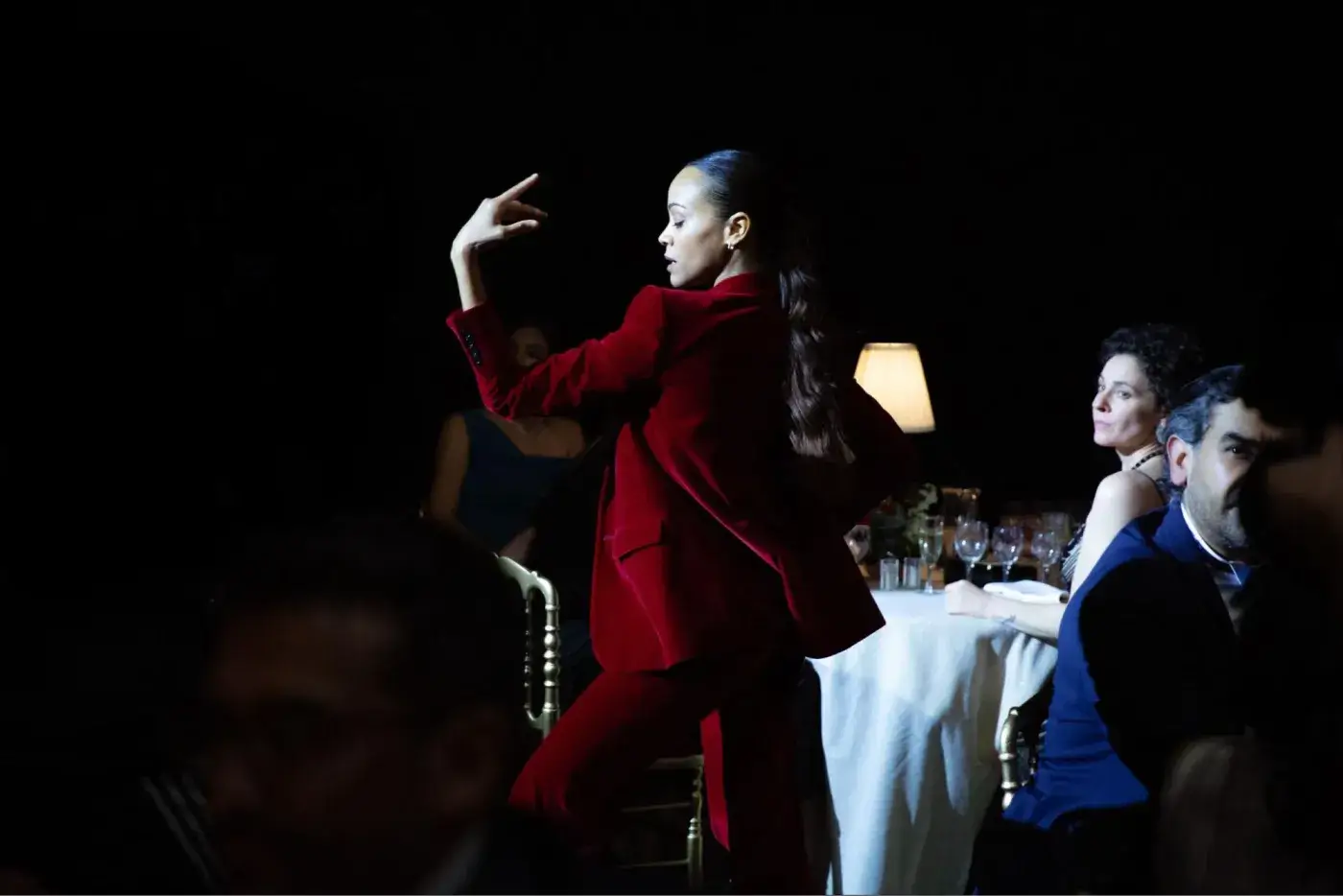
Her power really comes through during El Mal, the grand gala scene.
Absolutely. The musical tempo actually mirrors the rhythm of the opening scene. For this choreography, I worked through the lyrics of the song word by word with my Mexican assistant, Gabriela Cecena, ensuring that every gesture either reinforced or contradicted what the character was saying.
I told Jacques I could turn this scene into a true solo for Zoe. I knew she could combine something very few actors can — choreographic precision, acting, and singing. It was an incredible moment. The extras, who weren’t professional dancers, only learned their movements on the day of filming. There were no rehearsals to prepare them. I think that raw spontaneity added a real sense of tension to the scene.
How did you work with the actors?
We had an individual approach. Each time, we had to consider who we were working with. When we tried to create choreography with Karla Sofia, the actress interfered with the execution. So we settled on something minimal, which actually suited Emilia Pérez well. After all, she has the leading role and serves as a kind of anchor.
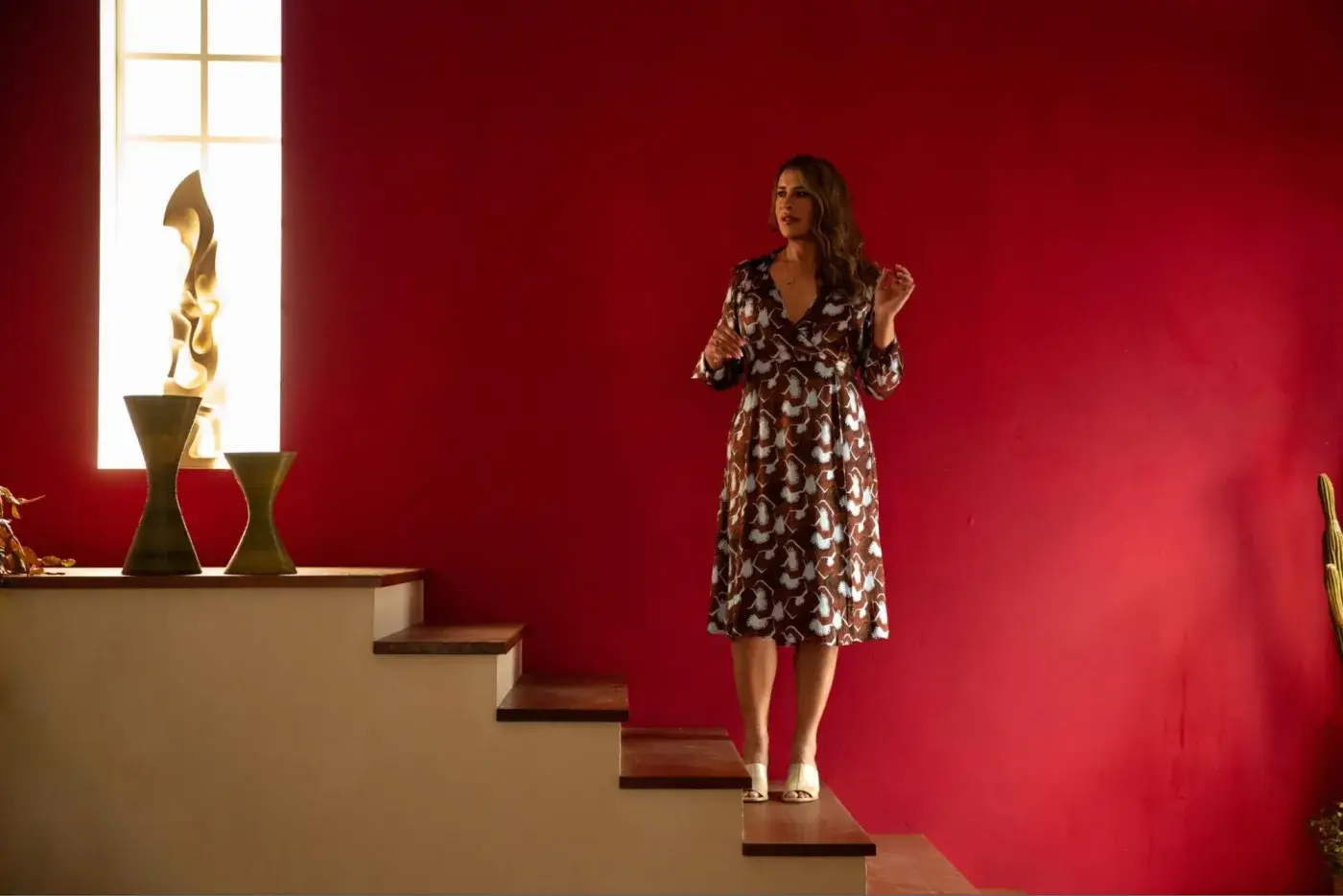
Meanwhile, Zoe Saldaña is a dancer. She thinks like a dancer and has the necessary skill set. I immediately told Jacques that she was capable of doing incredible things. This helped me establish a kind of connection between the actors and the dancers.
With Selena Gomez, we understood each other right away because she is very receptive. From the beginning, Selena told me that she wanted to learn the entire choreography. And she really focused on learning every gesture, every angle.
Did you work closely with cinematographer Paul Guilhaume to coordinate the dance scenes?
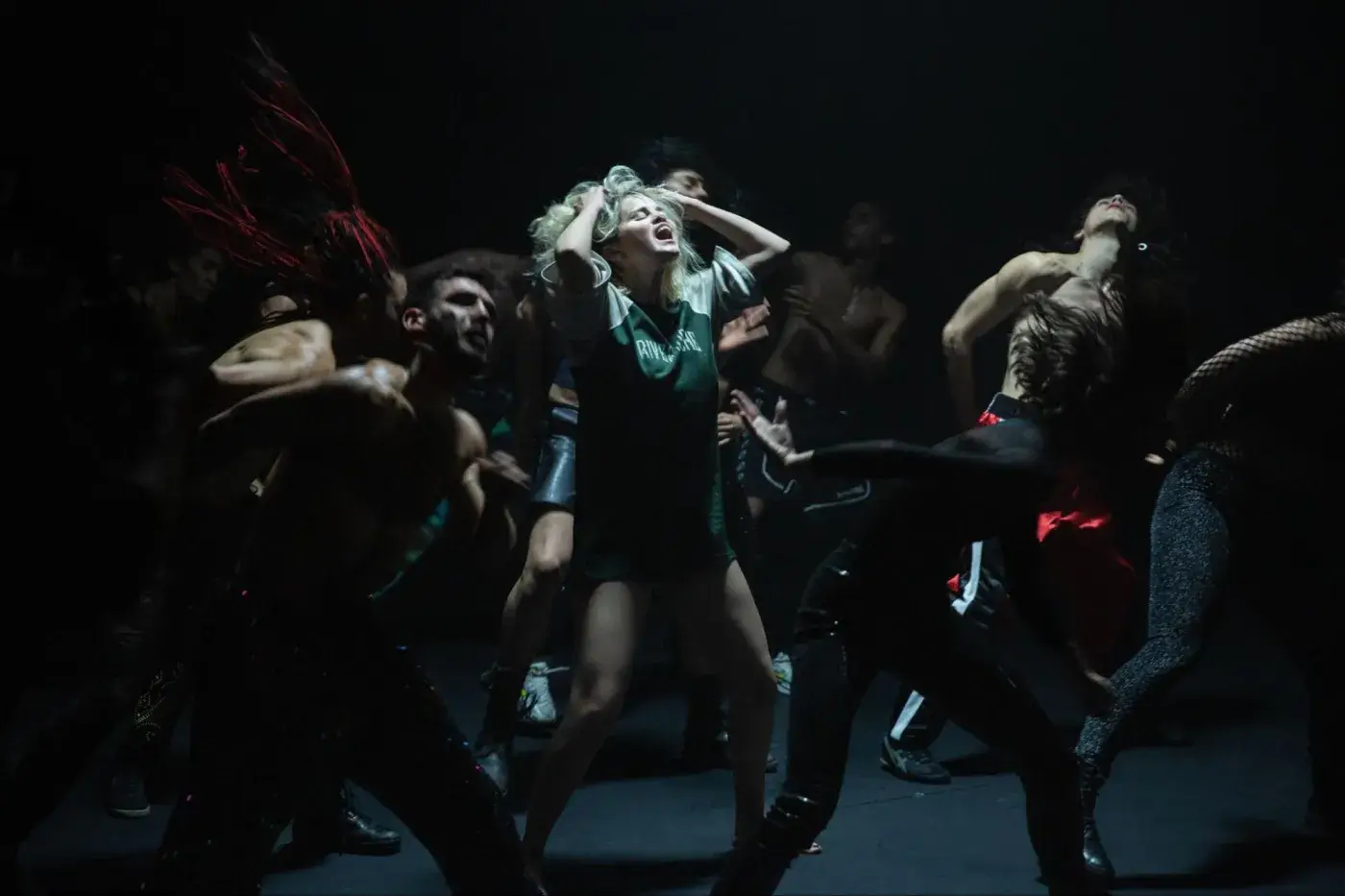
Yes. It didn’t take long for Jacques to realize that cinematography was part of the choreography. And he allowed me to work with the Steadicam operator, Sacha Naceri.
On the first day of filming, we worked on the opening Alegato scene, where Rita prepares her speech. It was extremely technical, and we started off really well. Jacques could see that everything was falling into place because everything had been carefully prepared in advance (even despite the large number of extras on set).
We spent three weeks on those first three minutes to make them both chaotic and extremely precise at the same time. It also helped create the film’s unique language, where dance sequences blend with the characters’ body language — just as the songs intertwine with the dialogues.
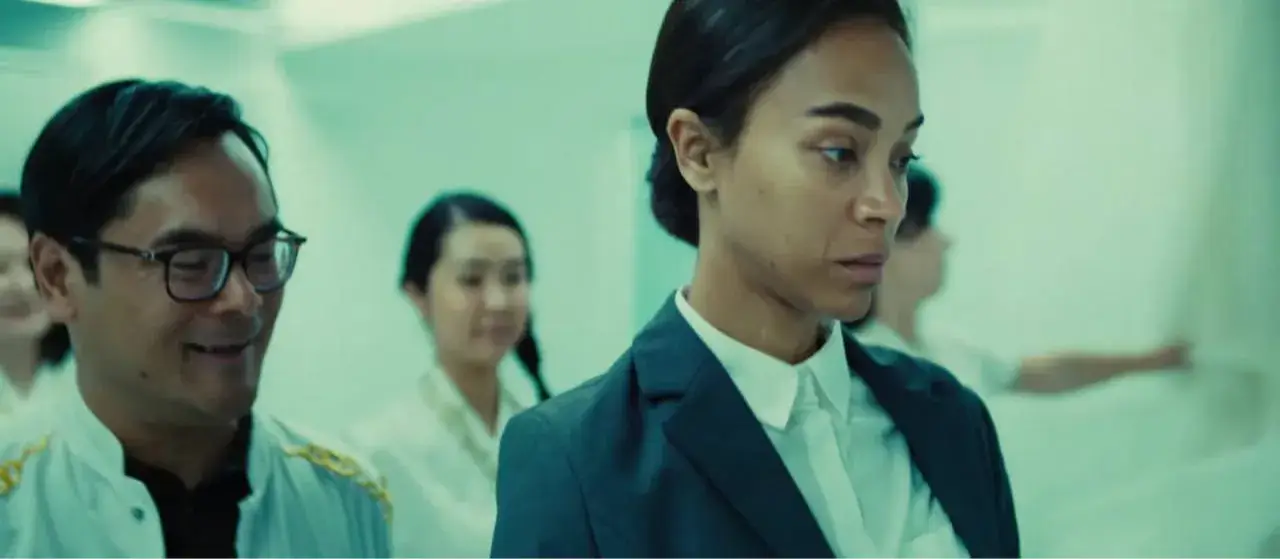
Can you talk about the hospital scene?
We came up with it after visiting a hospital in Mexico that looked like the Guggenheim Museum in New York: a building with a spiral ramp leading up to a central dome. As you move up the floors, the space feels like a factory.
We wanted to create the industrial vibe of those clinics that perform operations almost like on a conveyor belt. We developed quick, sharp gestures to evoke a strange sense of carefree, surreal, slightly comedic energy.
Again, the choreography was highly technical. We had to interact with tables and objects while being incredibly precise in a confined space.
Choreography requires a lot of preparation. How did you adapt to Jacques Audiard’s method of making last-minute changes?
Jacques kept challenging me all the way up to the shoot! So I always had to be on my toes. Things changed so quickly that it was difficult to lock anything in advance. It added tension and pushed everyone to do their best.
But Jacques also had to accept that some things in choreography needed intensive rehearsal beforehand, which made last-minute changes harder on the day of filming. In the end, it gave him reference points to work from — even if it meant departing from his usual approach.