
In the world of rose-colored glasses, film critics only watch films, come home, and write about how terrible they are. Thousands of views and favorable comments, everyone listens to the critic's opinion, and all media outlets want their articles.
But we live in the real world, where film critics have to juggle several jobs and freelance work and are afraid to write a bad review because they know the director. As part of the Kyiv Critics' Week, SKVOT invited to a conversation Fabian Melchers, journalist for De Telegraaf, and NU.nl, film critic for Nederlands Dagblad.
We talked about whether unions are useful for film critics, what are the main challenges in this field, and how to make a living writing about cinema.
What is the difference between film criticism and film journalism?
I think film criticism is a part of film journalism. Film journalism is about film interviews, background material, and objective things about the film industry. Film criticism is mainly about film reviews and subjective opinions about film production.
What knowledge and skills do you need to work in this field?
It is important to know how films are made. Camera work, editing, acting, scripting, and how they work together. If a movie doesn't work, it's most likely that something is wrong with one of these things. And if the critic is experienced enough, he or she can figure out what it is.
For example, people in the Netherlands often call soap operas trashy. They explain this through unprofessional acting and weak scripts. However, in my opinion, what really makes them amateurish is, first of all, the quality of the sound and the shooting.
If you want to be a good critic, you need to watch a wide variety of films to get a thorough understanding of cinema. This will allow you to evaluate the entire spectrum of the industry — from exceptional films to those that fail. With this context, you can better assess what makes a film truly outstanding and what doesn't. And, ultimately, determine what deserves four or five stars.
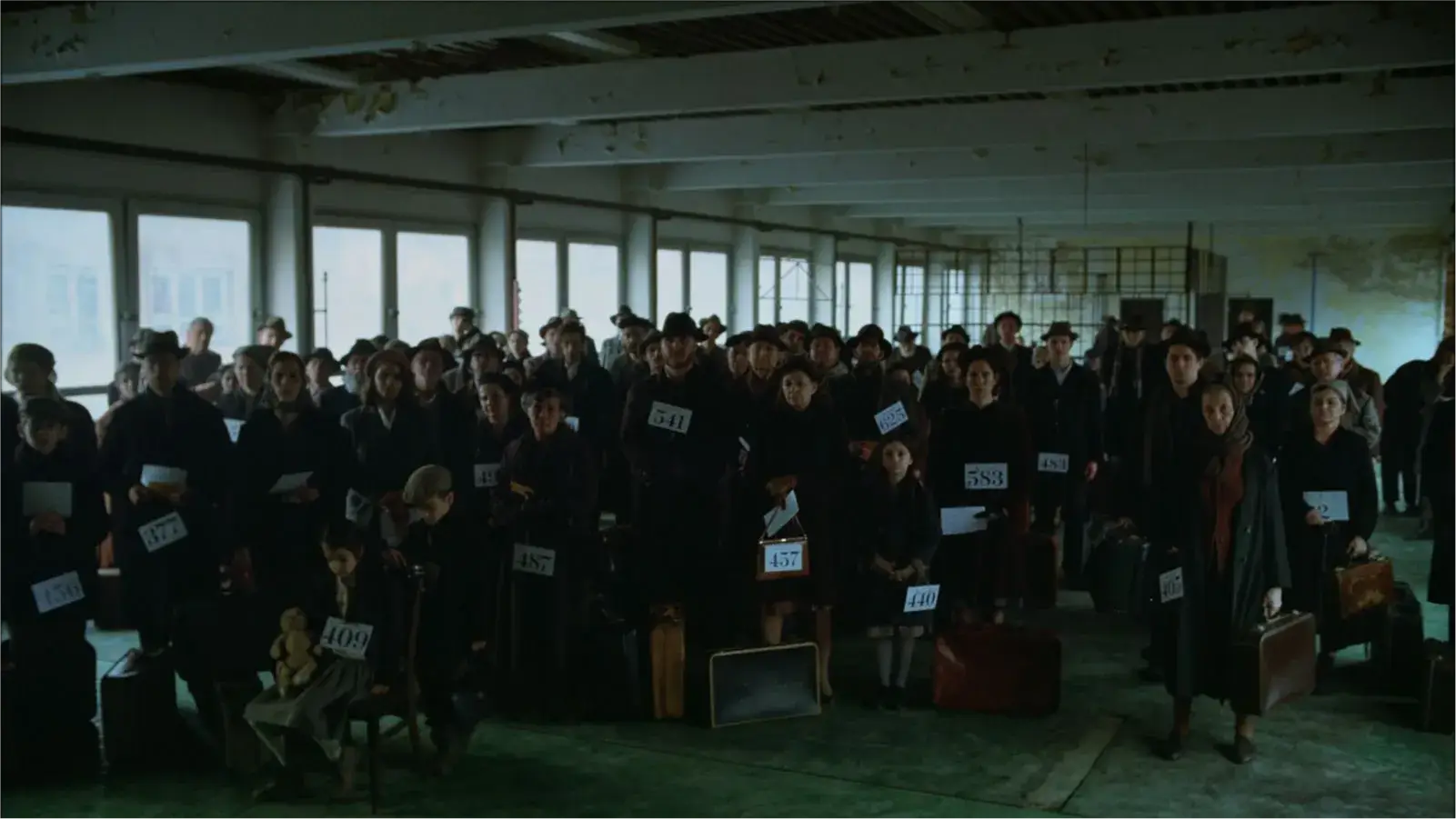
A still from The Brutalist, presented at the Kyiv Critics' Week.
What do you need to become a film critic in the Netherlands?
You really have to be lucky. I got lucky when I started out. I sent several emails to major newspapers but didn’t get any response. Back then, I had just graduated from school, and then, about a year later, I happened to meet someone who worked at one of those newspapers. He allowed me to write an article, eventually leading to more.
While in school, I had already written some reviews for a website with friends. That experience helped me improve my writing skills. When the opportunity with the newspaper came along, it built on the foundation I had already established. I also studied film and television in the Netherlands, which taught me how to analyze films, understand their history, and explore the role of media in our society.
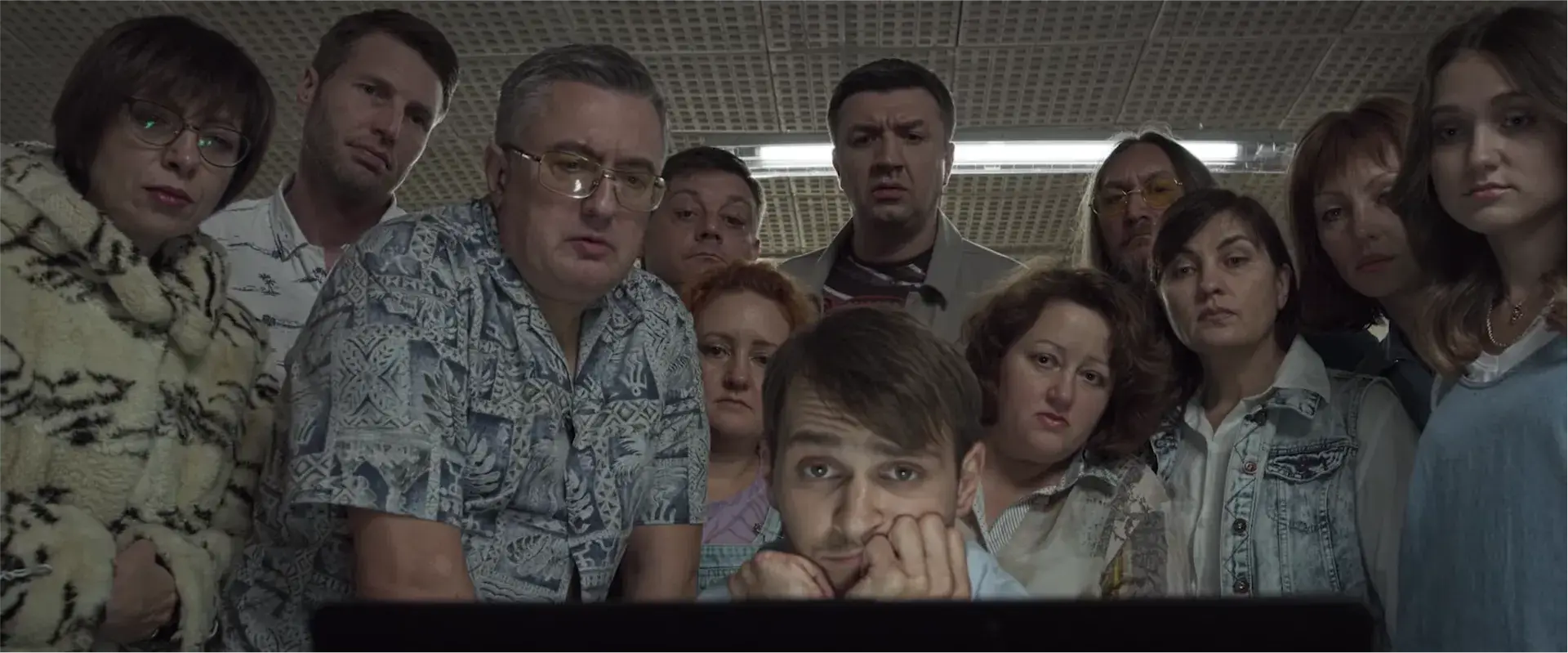
A still from The Editorial Office.
What do you find to be your main challenge as a film critic?
As a critic, you often feel a sense of responsibility. Suppose you've had a pleasant conversation with a filmmaker and seen their passion and hard work on set. In that case, it can be challenging to critique their final product as shitty. Sometimes, I let someone else write the review, especially if it's unfavorable. Our small team of three at the newspaper allows for that flexibility.
Filmmakers usually understand why film criticism is needed. But that doesn't make it any less annoying for the person who made the movie. I try to be respectful, especially towards Dutch filmmakers, knowing everyone involved has invested years into the project. Some critics become cynical, resorting to sarcasm or humor when they dislike a film. I prefer to avoid that approach, as it feels unfair to the creators.
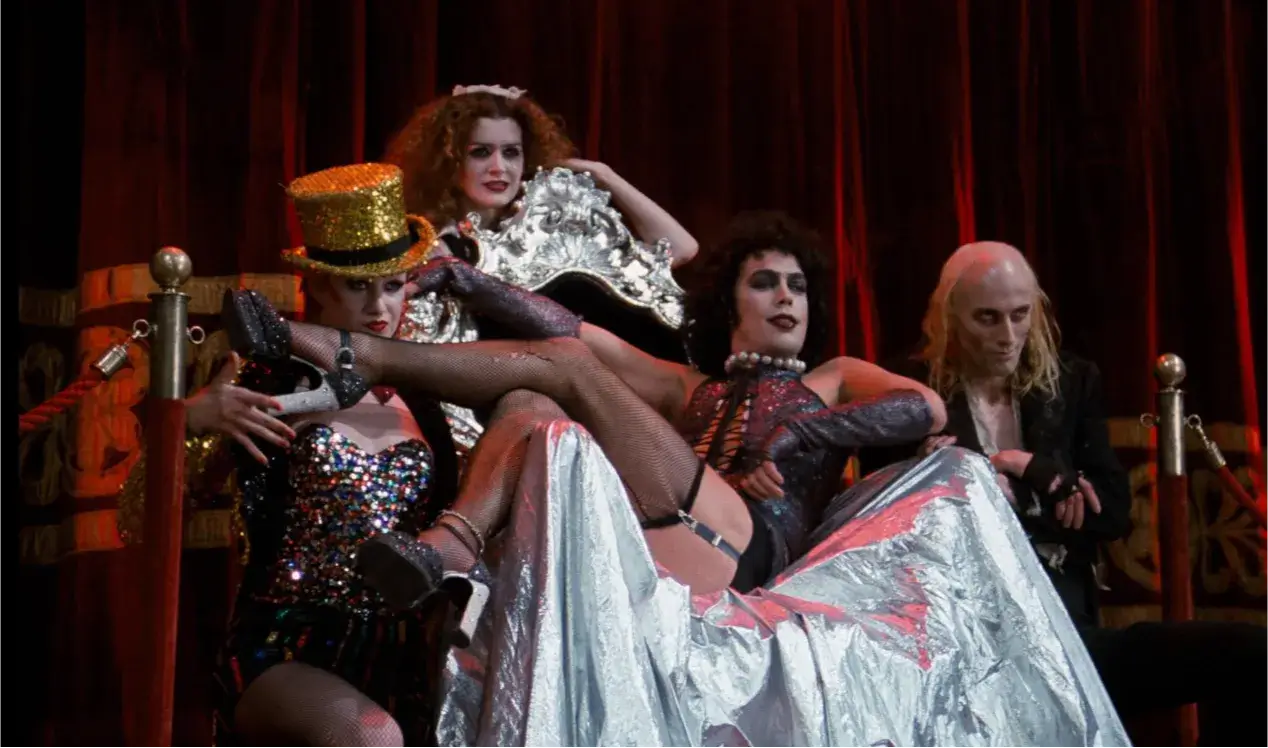
A still from The Rocky Horror Picture Show.
As a freelancer, my biggest challenge is keeping up with the sheer volume of released films. With 11-12 new movies debuting each week (excluding TV series), it's nearly impossible for anyone — freelancers or full-time critics alike — to watch them all. To be a good reviewer, you need to be familiar with the films and the context in which they're made. This demands a significant time commitment, which can be challenging given that freelancing often means juggling multiple projects to make ends meet. While I love movies, finding the time to watch everything is a constant struggle.
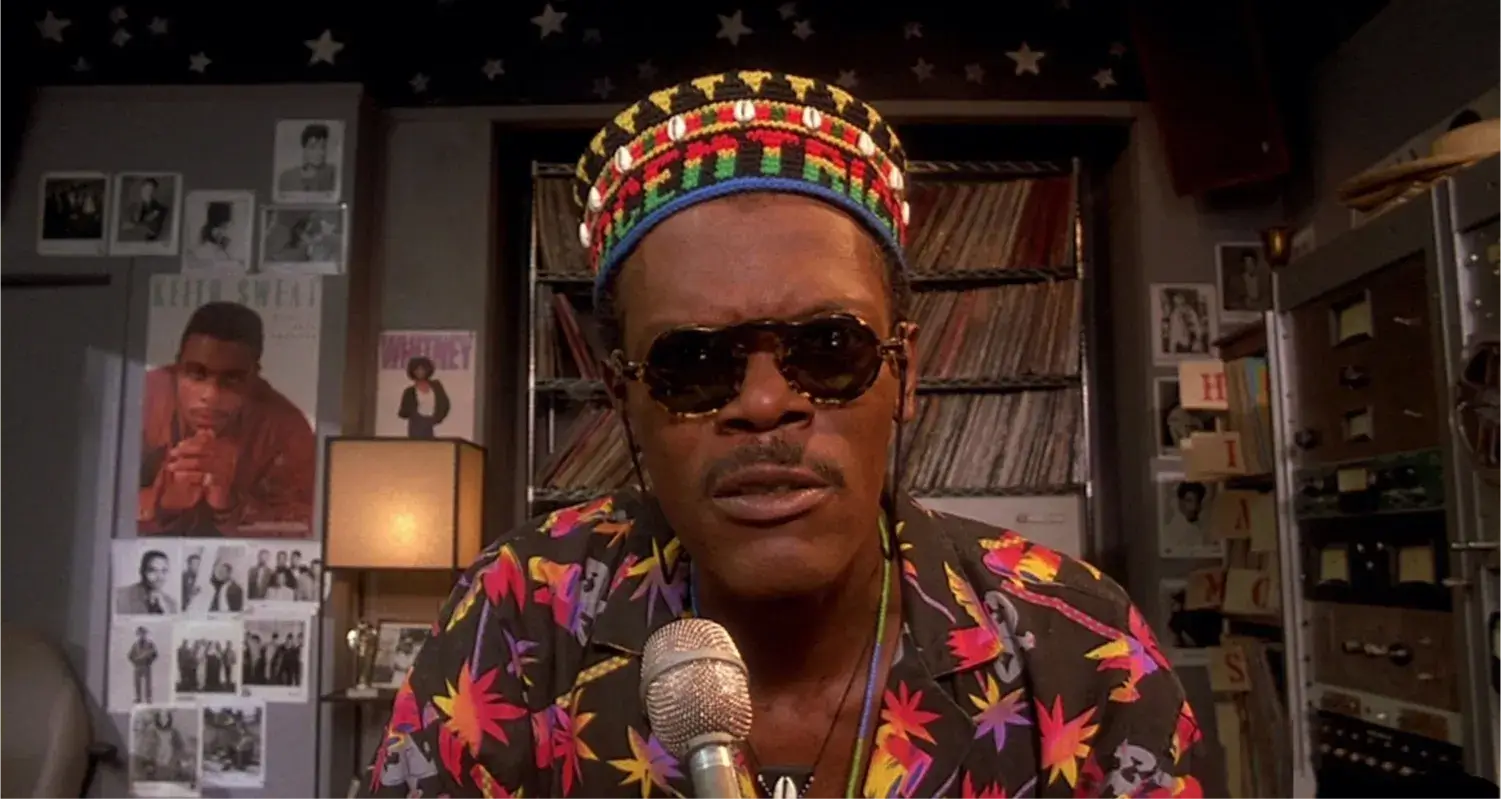
A still from the film Do the Right Thing.
Are the unions for film critics helpful?
Our union is called Kring voor Nederlandse Filmjournalisten (KNF). It's a circle of Dutch film journalists, and the number of members is about 120. One of the benefits is receiving free access to movies in theaters. As a journalist, you usually get the chance to see a film before it comes out so you have time to write an article. But there can be frustrations when screenings aren’t organized on time, or when a movie gets so many public previews that the original release date doesn’t make sense anymore. In cases like that, the KNF is also very helpful. They discuss improvements with film distributors and meet up every year to see how we can make everything work properly for all involved.
The organization also actively engages with us. They often ask for our feedback on how they can better support critics in doing our jobs, whether that's through advice or assistance in facilitating screenings. Overall, it's a supportive environment that fosters collaboration among film journalists.
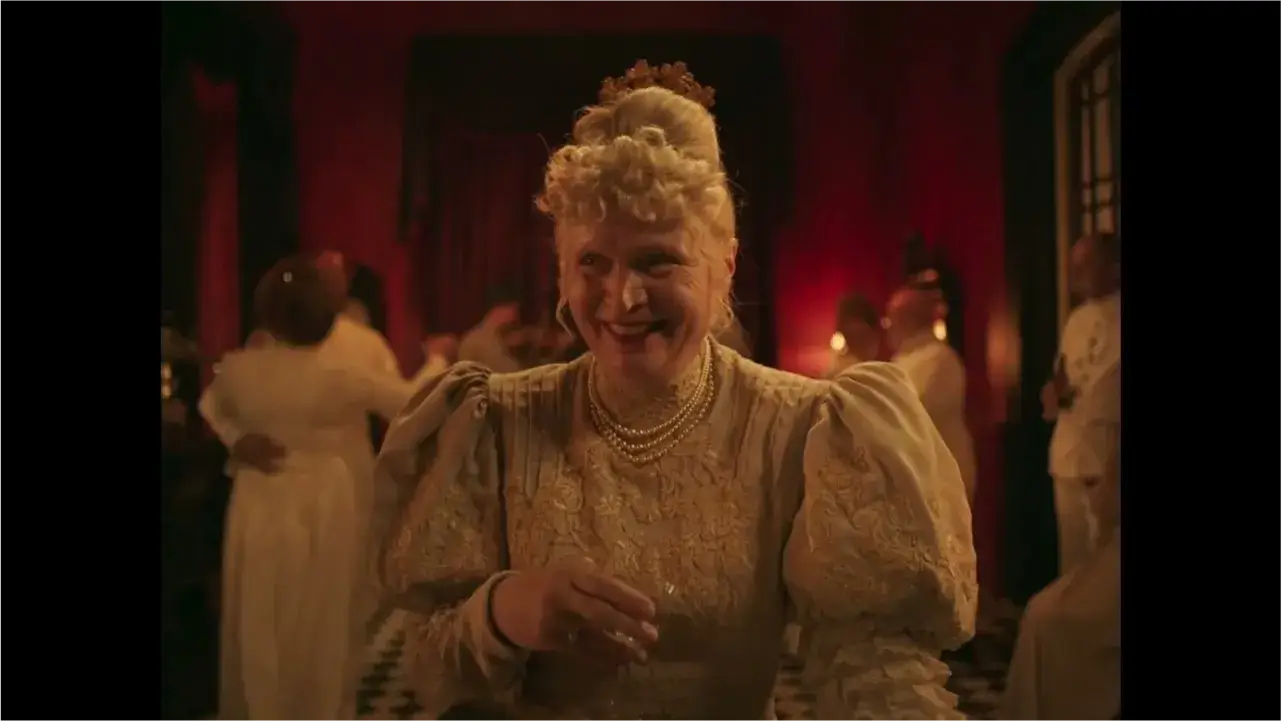
A still from Sweet Dreams.
How do you write a high-quality review?
Avoid overused phrases. When you're reviewing films, it's easy to fall into the trap of using clichés or repeating the same phrases, especially when describing common elements like cinematography, acting, or directing. Fresh language and a personalized approach will make your review stand out and feel more meaningful.
Keep away from preconceptions. It's crucial to walk into a film without too many preconceived notions. Sometimes reviewers get stuck thinking a movie will fit into a specific genre or follow certain trends, and that leads to disappointment if it doesn't. By approaching each film with fresh eyes, you allow yourself to engage with the story and its uniqueness.
In the world of rose-colored glasses, film critics do nothing but watch films, come home and write about how terrible they were. Thousands of views and favorable comments, everyone listens to the critic's opinion, and all media outlets want their articles.