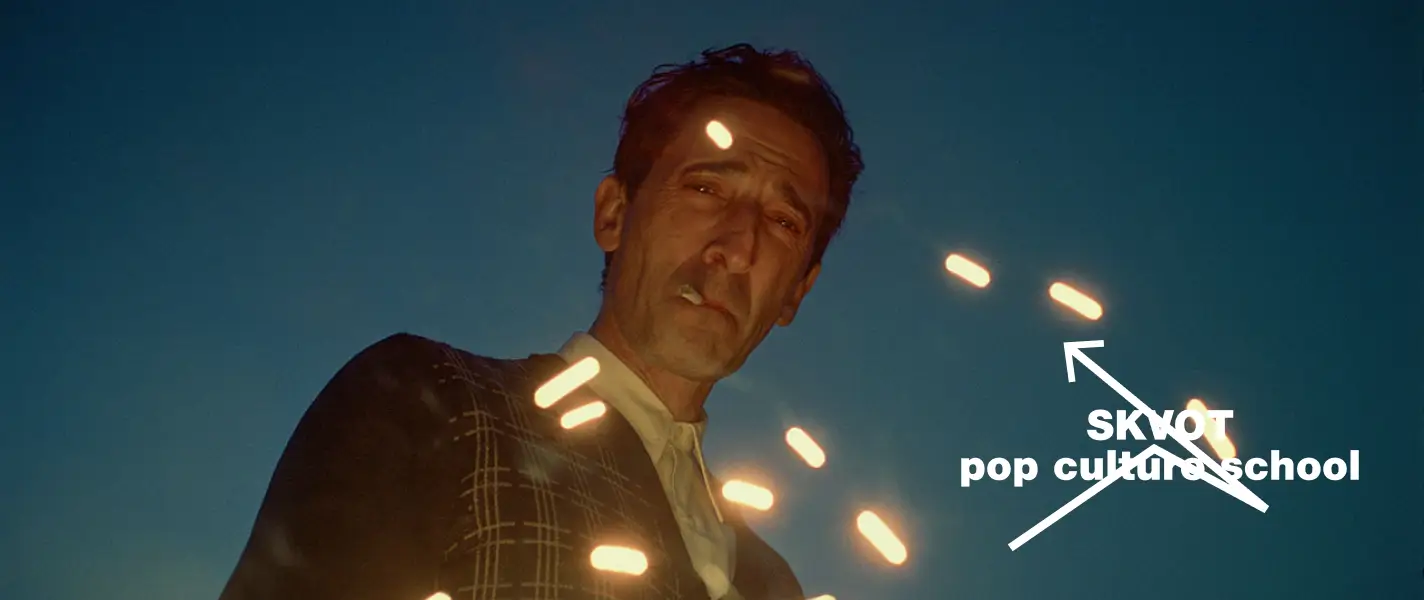

The design of post-war America, the formation of Israel, PTSD. The Brutalist spans 33 years in the life of architect László Toth, who found refuge from the Holocaust in the United States. He is not welcomed there, but after years of failure, László finally gets a break.
An American millionaire hires the architect to design the building of his life — a monumental public center. It’s a story about the many faces of power and its inability to break the human spirit.
Exclusively for Skvot Mag, film critic Natalia Serebryakova spoke with the film's team: director Brady Corbet, actor Adrien Brody, and composer Daniel Blumberg.
The film is already in theaters and on the Oscar shortlists. All the answers — in the Skvot Mag interview.
The main character of The Brutalist escapes fascism only to face capitalism. The 20th century and brutalism — which perhaps speaks to something much larger than architecture — became your main sources of inspiration. Why history — what is your relationship with it?
Brady Corbet: Biographies and historical accounts of important events are often too linear: they boil down to cause and effect. Cause and effect instead of something more amorphous. When I made the film The Childhood of a Leader (a story about the formation of a future dictator — ed.), I explored the surrounding tyranny. Who is responsible for the way this boy grew up? The mother? The father? The teacher? The priest? Or perhaps the nanny? Who is to blame for shaping this young man?
This film is also about how America inadvertently contributed to the rise of fascism that swept the world during the 1930s and 40s. For me, making a film is a way to express something that cannot be conveyed through biography or memoir. Even memoirs, when you start writing them, turn into fiction. So, for me, it’s a way to convey the feeling of history. It’s a tradition of Luchino Visconti, Larysa Shepitko. The list goes on.
I'm very interested in the 20th century, and my next film will also touch on significant events of this period. It’s because I want to understand how we got to where we are now. And I constantly think about how to fill the secular void created by the decline of the West.
I think very few people are satisfied with how the world works today. I often hear Americans talk about leaving the country after the last elections. But I always ask: "Where will you go?" In France — Marine Le Pen, in Brazil — Bolsonaro. There is no safe place. It’s a global issue, not a national crisis.
What does brutalism say about its time and how people thought during that period?
Brady Corbet: I’m concerned about neoclassical architecture. It’s interesting that autocrats around the world have a particular fondness for past eras. In South and Central America, brutalism manifested itself much more attractively than in the US, the Northeast, or, of course, Central and Eastern Europe. I think brutalism symbolizes progress. It’s a symbol of the immigrant experience because these buildings, like those who emigrated from abroad, were simply misunderstood. Many still don’t understand them. It’s one of the most controversial architectural styles on the planet.
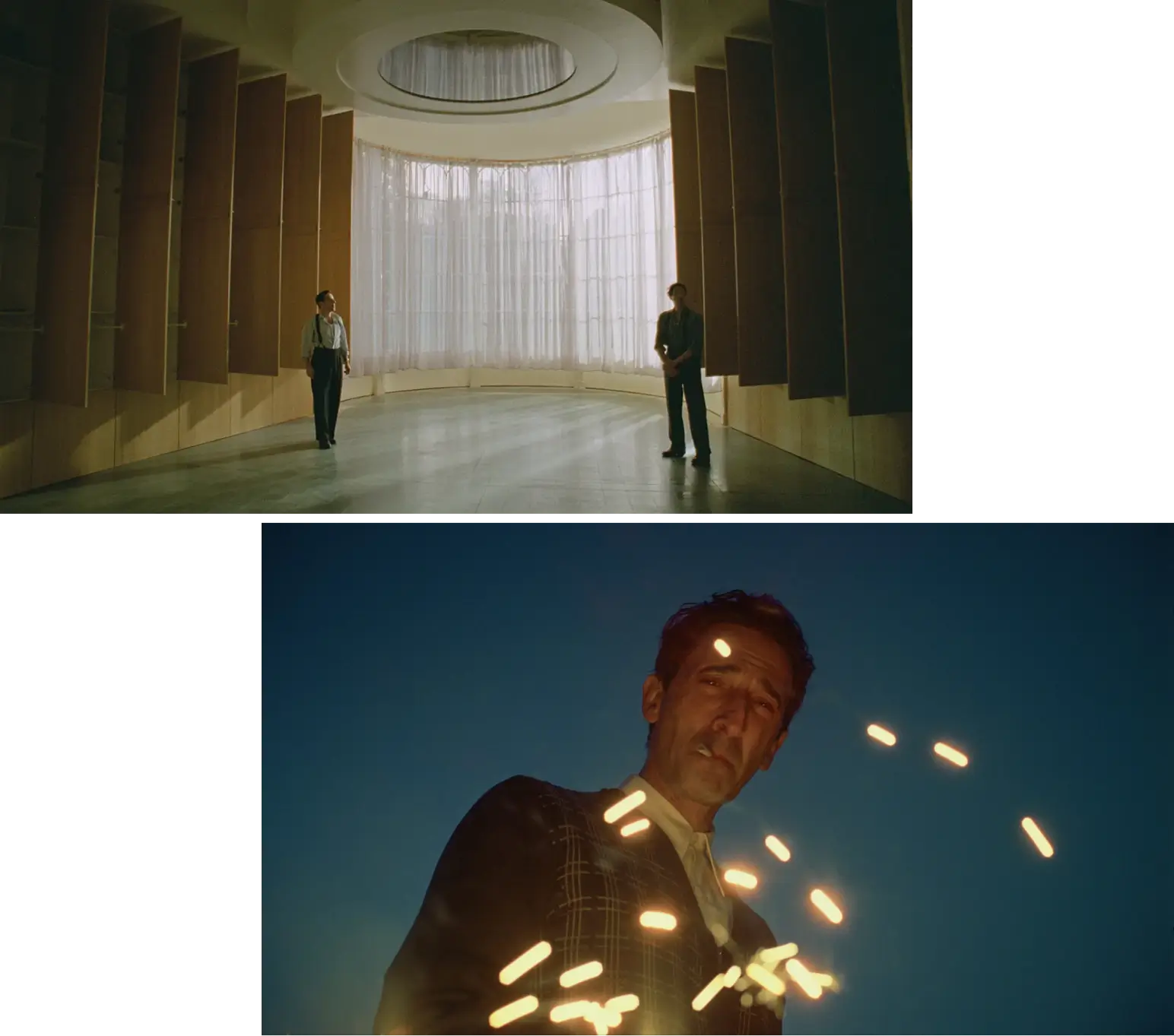
During Trump's first term, there was an initiative called Making Federal Buildings Beautiful Again. The essence was to demolish all brutalist architecture in Washington. And it’s just mind-boggling. I don’t think Trump even knows who Albert Speer was or what he represented, but it seems he’s carrying that torch forward.
2024 has been a year of unprecedented antisemitism. I’ve heard rumors that some film producers were even asked to remove references to Israel or Judaism. Did you have any doubts about releasing a film about a Jewish architect right now?
Brady Corbet: It’s difficult to make films about anything right now. Everything is a sensitive topic. That worries and frustrates me because if we don’t create an environment where it’s safe to make mistakes — even in an interview like this — then we can’t freely explore ideas.
Nobody wants to have meaningful conversations anymore out of fear that it could end their career. That’s how both journalists and artists feel. That’s why I don’t make propaganda films. There are no hidden messages in my work — no “for” or “against” anything. These are historical films that examine how we got to this moment.
Antisemitism, Islamophobia — they’re all on the rise. It’s a major crisis. But the worst thing we can do is stop making films about important things. That would be the death of culture.
The real László Toth was a famous Hungarian chess player. Another real-life László Toth was a Hungarian-born Australian who damaged Michelangelo’s Pietà. Why name The Brutalist's main character after him?
Brady Corbet: Funny enough, we partially filmed in the quarry where Michelangelo carved the Pietà. But that’s a total coincidence — a sort of Sebaldian accident.
László Toth is like the Hungarian equivalent of John Smith. Meaning, every Toth, every László. So we chose what seemed like the most neutral and innocent name.
How is Adrien Brody’s role in The Brutalist different from his role in The Pianist? What similarities and differences did you see between these characters as a director?
Brady Corbet: When Adrien and I sat down to discuss the role, he immediately acknowledged the elephant in the room. His preparation for The Pianist involved years of research and conversations with Holocaust survivors. That experience profoundly shaped him and, in many ways, led him here 20 years later. He was in his twenties when he made The Pianist — now he’s fifty. It’s like it’s become a part of his bones.
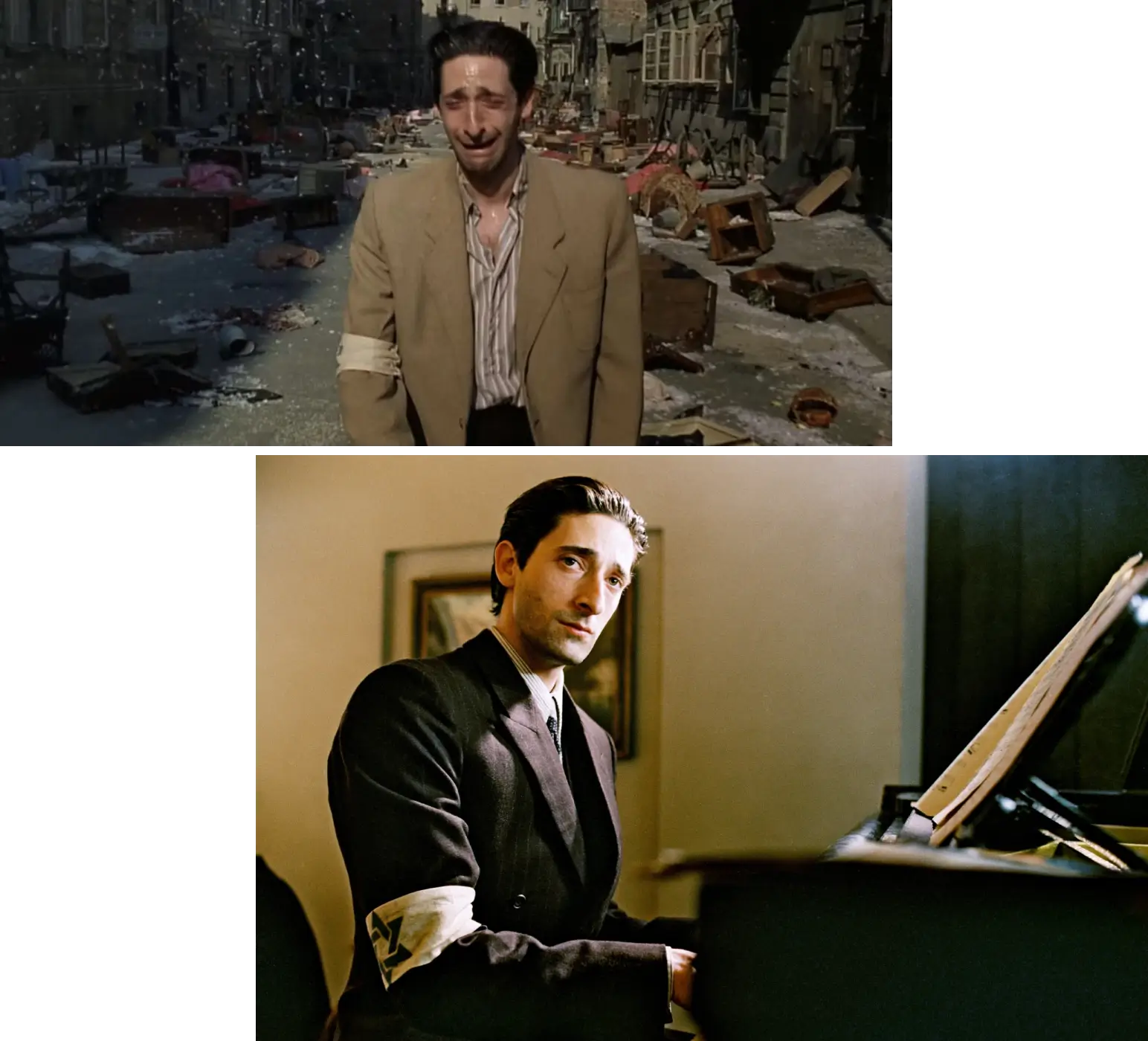
Adrien Brody in The Pianist
It wasn’t my main reason for casting him, but because of his heritage, and the fact that his mother fled Hungary during the 1956 revolution, I knew: he was “that guy.” We had different casting plans when we were preparing in 2020. But when Adrien came in, everything clicked into place. He was the only person for the role.
I had only briefly met Guy before. But I’ve known Felicity since we were teenagers. We even almost starred in a film together once. I was impressed by her confidence even back then. She’s incredibly grounded, self-sufficient, and, at the same time, a true pragmatist — my favorite kind of performer.
It’s important for me to work with people who understand the material. I’m not interested in collaborating with those who need to be manipulated into a performance. And I think Felicity, Adrien, Guy, Joe Alwyn, Alessandro Nivola, and the others all shared something in common. They had a deep philosophical grasp of the material and solid historical references.
For instance, Alessandro Nivola’s grandfather was a prominent sculptor who worked alongside Marcel Breuer and mid-century architects in the Northeastern United States. So, in a way, it felt like the film "chose" its people on its own.
You starred in Michael Haneke's Funny Games when you were 19. Did that experience influence how you perceive the nature of evil?
Brady Corbet: I first met Michael when I was 13, at a screening of Code Unknown. I loved his films long before I ever worked with him. It was quite funny, actually, because we both shared a mutual appreciation for The Confusions of Young Törless — Robert Musil's novel. Young Törless became a major inspiration for The Childhood of a Leader. It was also a reference point for Haneke's The White Ribbon.
I think Michael and I view the world in more or less the same way. He’s one of the few directors I’ve stayed in touch with, even though I worked with him as a teenager. But we approach our work very differently. He’s dogmatic — no music, no soundtracks. Whereas I tend to lean more toward David Lynch’s style. We’re drawn to the same ideas, though we discuss them in completely different ways.
The concept of the "American Dream" plays a key role in The Brutalist. How has your perception of this idea evolved over the years?
Adrien Brody: With everything that's happened — including catastrophic events like COVID — the world has become much more complicated and competitive. You’d think technological advancements would simplify things: more films, more content. But then there’s social media, where so many people are vying for attention.
Before I moved to Los Angeles at 19, I didn’t even realize just how many people were trying to become actors, just like me. It’s even harder for those who are forced to leave their homes and start over in a new culture. That’s what resonates most with me in The Brutalist — the experience of immigration and the harsh contrast between the "American Dream" and reality.
Adrien, you're the son of immigrants. How personal is this film for you?
Adrien Brody: Incredibly personal. I’m drawn to films that highlight struggle, injustice, and questions of social responsibility. For me, that kind of work is the most meaningful and valuable as an actor.
My mother fled Hungary in 1956. She’s an artist — a photographer, specifically. I saw how her work reflected the complexity of that experience. The horrors of war and the fight for survival left a deep mark on her and her art. That strongly resonates with László's journey in the film. So my personal connection to this experience became the starting point for building the character.
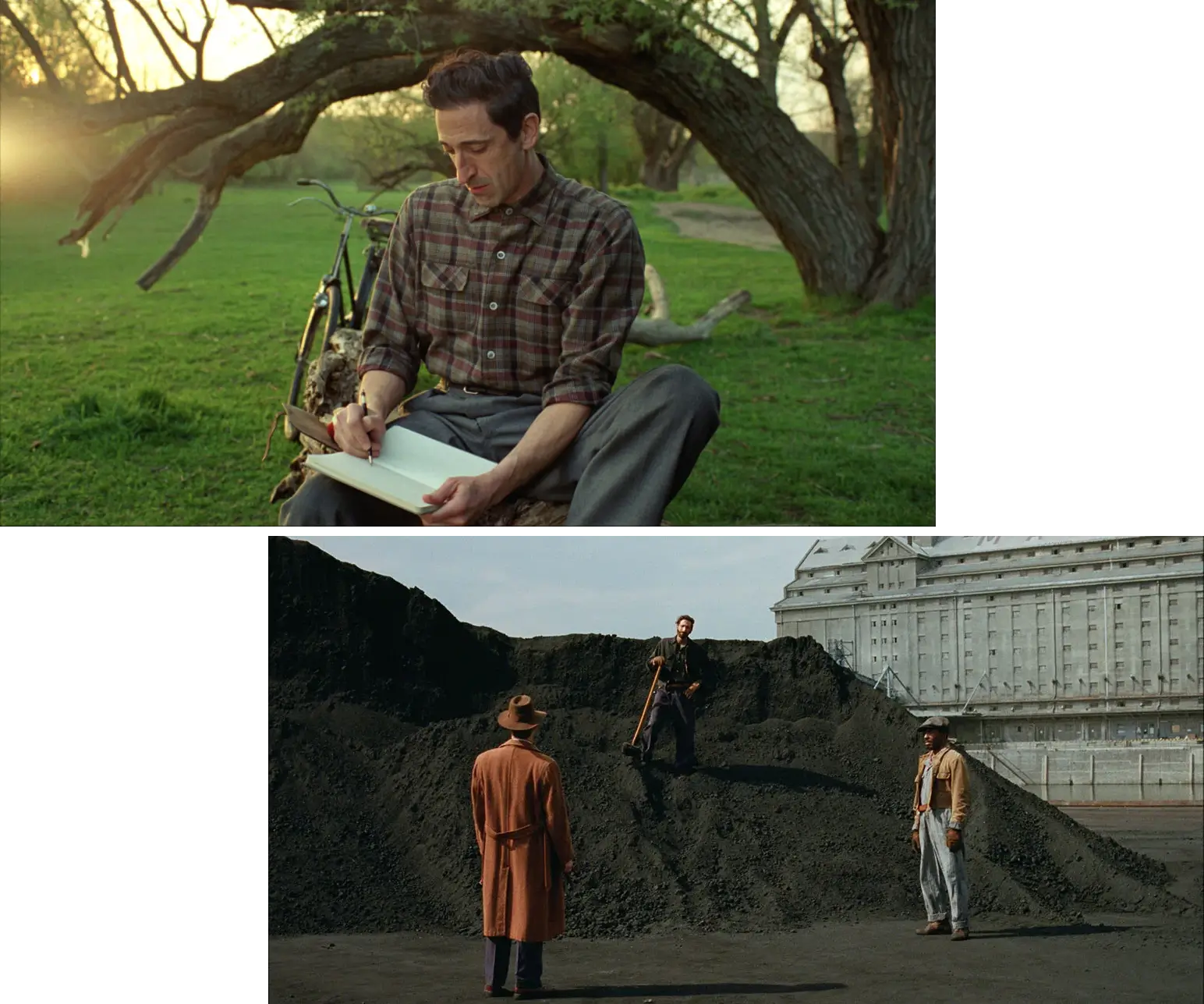
What was the most challenging part of rehearsals for you? And how did you manage to create such an authentic Eastern European accent?
Adrien Brody: The hardest part was that we barely had any rehearsals. We had very little time and limited resources, so I don’t recall much of a rehearsal period. Fortunately, Brady Corbet is a wonderful, communicative, and intelligent person. We talked a lot about the film. His approach to storytelling and the script itself were really strong.
As for the accent, that was definitely challenging. The Hungarian accent is very specific, and it was important to capture the nuances of the time period and how I wanted László to sound. I drew from memories of my grandfather's voice. We worked with a dialect coach, had plenty of research materials, and I put in a lot of effort. But I also knew I had an internal reference point that helped me get the accent right.
How did you fall in love with acting, and what part of that love manifests in László Toth?
Adrien Brody: I owe it entirely to my mother. She is the purest artist I know. When I was very young, she was photographing the American Academy of Dramatic Arts. She saw kids there practicing acting and said, “This is what you do every day, and you love it.” Something clicked in me then — not as a career choice, but as a pure love for acting.
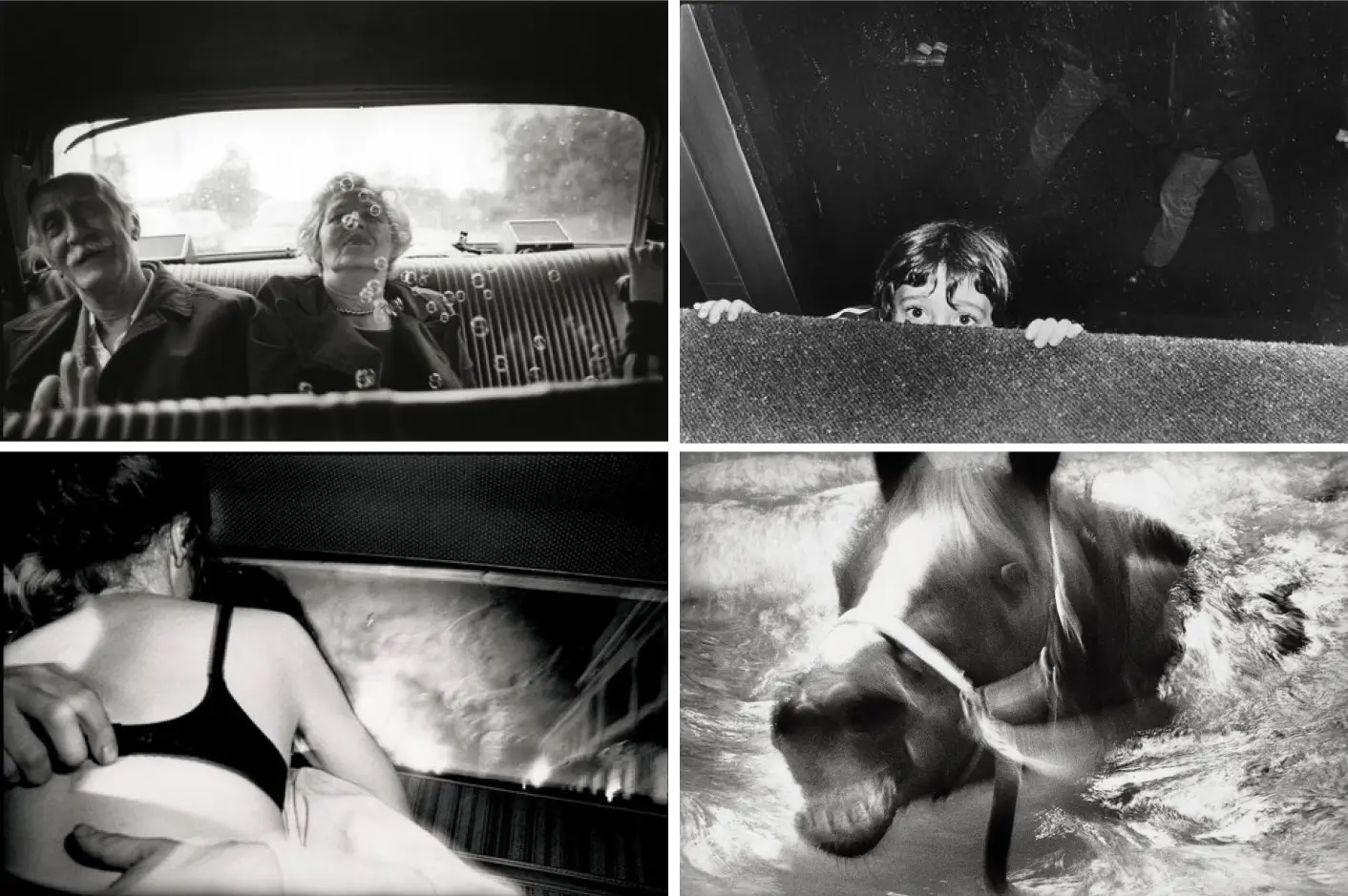
Photographs by Sylvia Plachy, Adrien Brody’s mother. Source: nytimes.com
It’s been a long journey, but I am still deeply in love with the process and more devoted to it than ever. Maybe even more so now, because I’m performing in theater. I do eight shows a week. And thanks to the shared experience of making The Brutalist, I feel truly renewed in my craft. Just as László strives to leave his mark, and just as my mother does, I also want to leave behind work that outlives me. Something that isn’t disposable, not just entertainment for the moment, but something that stays with you — like a great book, a painting, or a piece of architecture.
Daniel, how did you create László Toth’s theme — what emotions and instruments shaped the soundtrack?
Daniel Blumberg: I thought a lot about the piano when I read the script. It was a prepared piano — meaning I manipulated the strings with screws, paper, and other objects, so when the hammers struck the strings, it produced percussive sounds.
László’s theme featured a melancholic piano performance by John Tilbury. When composing the soundtrack, I blended a sense of optimism (especially for the opening scene) with brass instruments. Later, I developed the theme into one for Erzsébet, but the initial notes stemmed from László’s theme. The idea was that the soundtrack could move in different directions — and we really liked that.
Did you work on the soundtrack during the editing process — perhaps fixing or re-recording anything?
Daniel Blumberg: Yes, I was involved throughout the entire process. During the preparation period, alongside Brady, on set, and beyond. On the first day of shooting, we worked on a jazz scene, and I brought in musicians to perform live on set. I also created tracks that Brady wanted to use directly during the shoot. For instance, the overture was filmed to my music, but that was just a demo recording.
During post-production, we were constantly exchanging ideas. Brady used my demo recordings for editing, and I worked on them with the musicians. Once the editing was finished, I recorded the main sessions with all the musicians. Even the sound work was a collaborative effort.
How did you convey the sense of unease through the music?
Daniel Blumberg: This project covers a vast range of emotions. The music had to reflect different eras — from the 1940s and 1950s to the 1980s. There were also scenes that deeply explored relationships — László’s very intimate connection to his work and his wife, Erzsébet.
The film has a romantic, even erotic, quality, particularly in the sex scenes. I also worked on the music for the Yom Kippur service scene, which features a Jewish prayer that I sang every year with my father.
When the action shifts to the 1980s, we transition to synthesizers, leaving behind the acoustic world. Another aspect we discussed was the sound of construction — how the progress of building a structure would be reflected in the music. We wanted to convey the feeling of constructing something — both emotionally and physically.