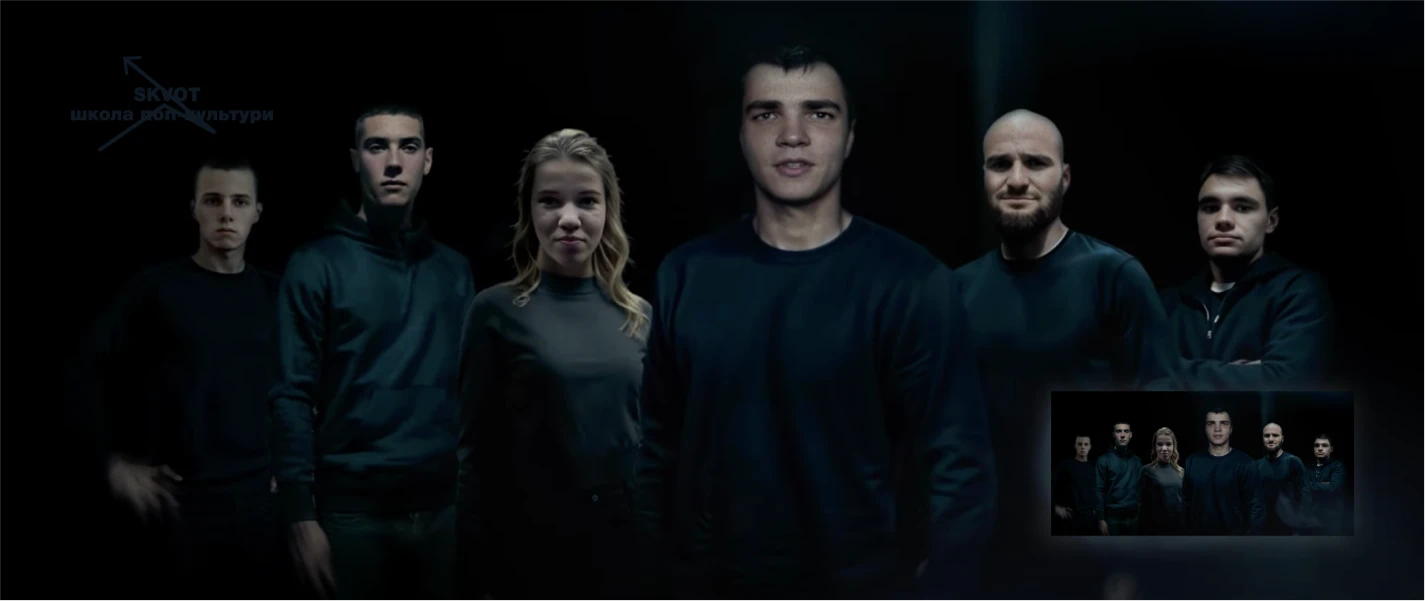

This year, 140 athletes represented Ukraine at the Olympic Games. This number would have been significantly higher if not for the war. Some athletes put sports aside to defend their country, and some lost their lives in the process.
To honor the memory of Ukrainian athletes killed by russia, the agencies of TEAMBBDO created the project The Revived. With the consent of the families, the creators used artificial intelligence to "revive'' six athletes who died in the full-scale war.
Brand Ukraine and the Ministry of Youth and Sports of Ukraine presented the project at Volia Space in the Olympic Village. A film about the deceased athletes and their mission will be shown on international channels. We asked the campaign's creators about the sensitivity of working with the families of the deceased, digital commemoration, the uncanny valley, and the positive aspects of AI. All the insights are in our interview with Inna Tabachenko, Jonathan Deeb and Lisa Glonti.
How did the idea for the project The Revived come to you?
Inna: As a Ukrainian living abroad, I feel it's my mission to spread awareness. My partner, Lisa, is Georgian, and we often joke that we're “trauma sisters” due to our similar backgrounds and struggles.
When the participating Olympic countries and teams were announced last year, we were deeply aware of how many talented Ukrainian athletes that should have stood a chance were missing. This ignited our thinking. The idea for the project came to us over a year ago, in July. We presentes it first to the BBDO team and everyone was immediately on board.
We wanted to give back the chance to participate in the games to those who were robbed of it. Lisa, being very tech-savvy, helped with the technological aspects. We had many brainstorming sessions to define the right execution and received significant support from our partners at Tektite. We worked with a fully dedicated team across all our agencies — BBDO, Interone, Peter Schmidt Group.
From a technical perspective, how did you create digital twins of the athletes?
Lisa: The process was complex and intense both technically and emotionally. First, we had to contact the families for their approval and to get images, videos, and stories of the athletes. In Maksym's case, his mother sent us his quotes, which we used in his voiceover to capture his personality and tone.
To visually revive the athletes, we trained an AI model with their images, ensuring it matched the film's distinct ambient blue aesthetic. We used various tools, including motion capture technology and AIConfig, a stable diffusion-based interface tool. The whole process required creating a unique workflow.
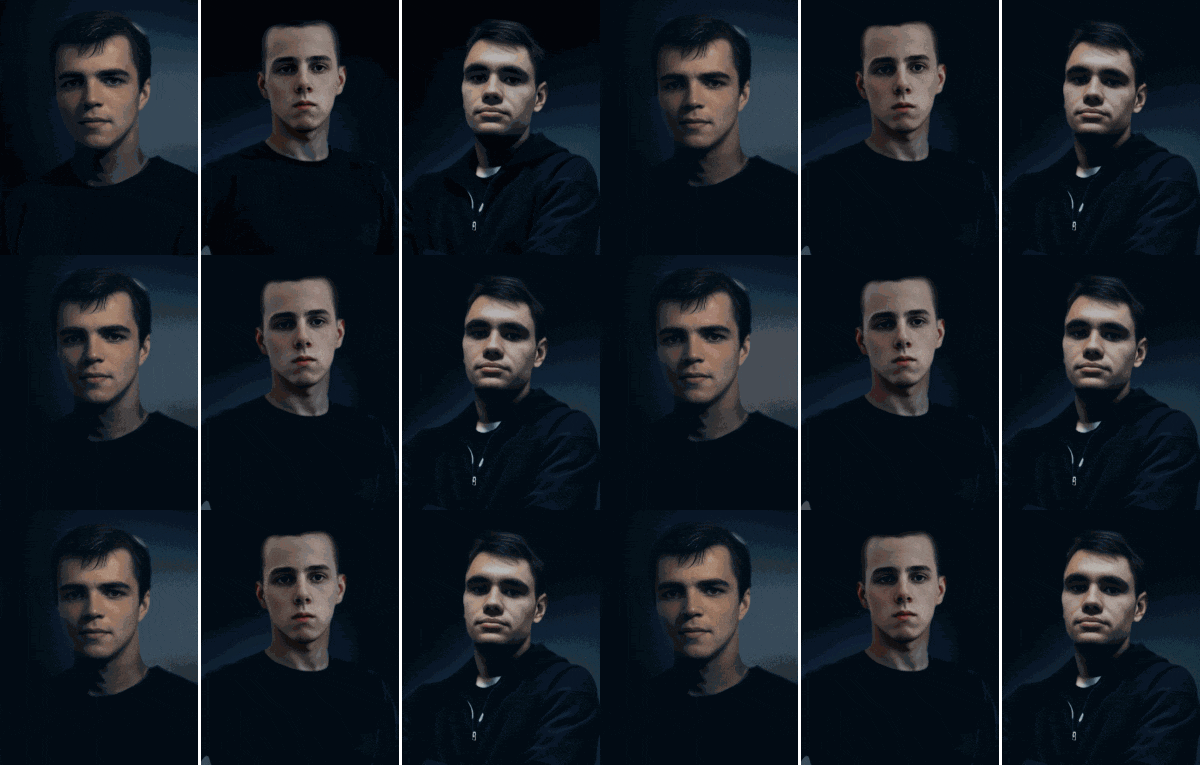
Digital twins of Maksym Halinichev, Nikita Zasiadko and Mykola Zhydkov. Source: ukraine.ua
How did communication with the families go, and how did they react to the final results of the campaign?
Inna: We started by talking to the families to see if they were ready to discuss this topic. We only received one rejection; everyone else agreed. We introduced ourselves and our idea, conducted interviews to get to know the families and athletes, and requested pictures and videos.
The communication was deeply emotional. For example, Maksym's mother sent us a slideshow video of him that she made herself. Our office was in tears watching it. When we received the first draft, I reached out to her for feedback. Initially, she didn't respond for a few hours, which worried me, but then she thanked us and said it looked impossible to her. The next day, she told me that she and Maksym's father had been watching the video non-stop and that it felt like a message from the other side.
We received amazing feedback from other families too. Nikita's father said it felt like his son was a year older in the film, just as he would have been now. Fedir's mother was deeply involved in getting his eye color right in the lighting of the film. Anastasiia's father asked if we could add a slight smile to her character because she was always so positive. We did it and sent him a separate film with her smiling.
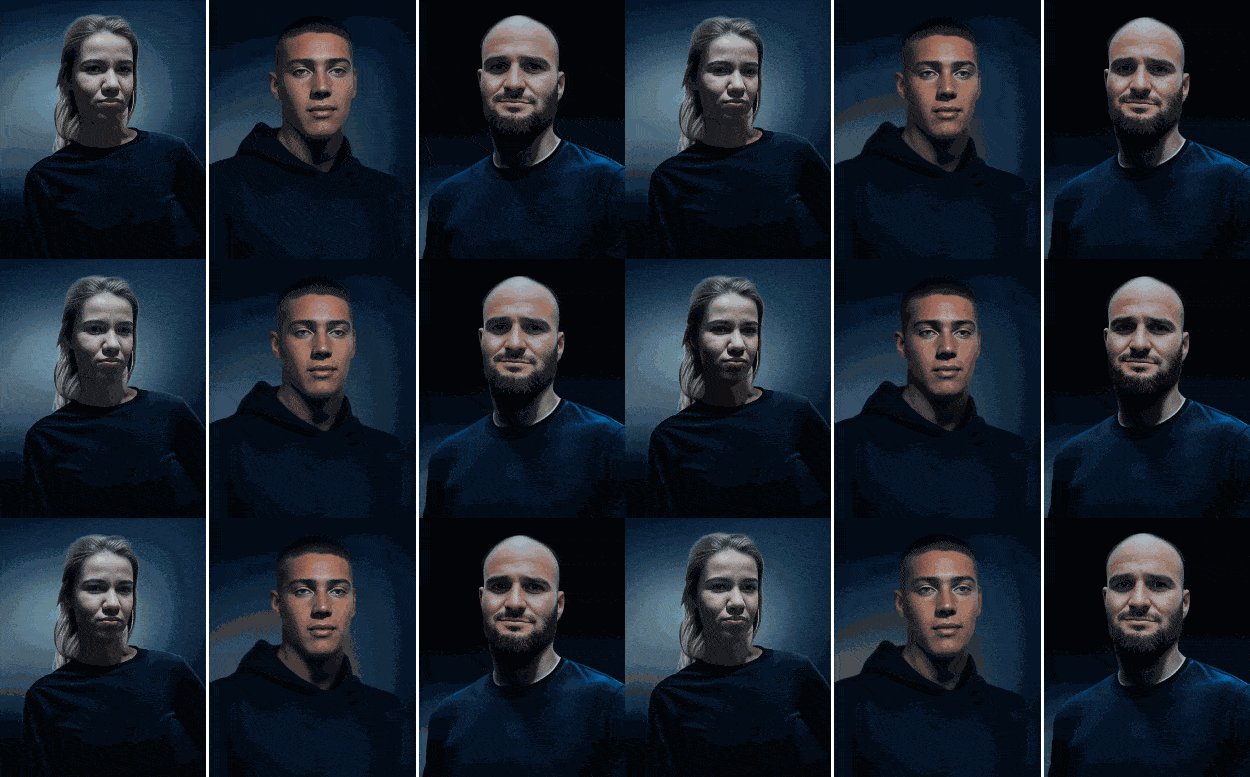
Digital twins of Anastasiia Honcharova, Fedir Iepifanov, and Oleksandr Pielieshenko. Source: ukraine.ua
The feedback from the families was the most rewarding. The Ukrainian and foreign communities also reiterated their appreciation, but the families' reactions were the most important to us, as we aimed to bring them a piece of the life that was stolen from them.
Was it difficult for the foreign team to work with the Ukrainian war context, and how did you manage to maintain a sensitive approach?
Jonathan: As an international company with 40 different nationalities, we are used to diverse contexts. Personally, growing up in apartheid-era South Africa has given me perspective. So, no, it wasn't difficult in that sense.
There were technical obstacles and challenges in finding the right partners, but everyone who heard the idea was immediately on board. This affirmed the power of the human spirit.
While it's a privilege not to live with the constant reminder of the war, I was moved by how passionate everyone involved in the project was. Storytelling isn't just about bringing brands to life; it's about telling powerful stories that need to be heard.
Once we heard the story of Maksym and others, it wasn't a question of whether we should support it — it felt like our duty. We knew the world needed to hear these stories, and it was our job to make that happen.
Why did you decide to "revive" the athletes? It seems that in similar AI work, there is still a high risk of falling into the uncanny valley.
Lisa: We were very aware of the uncanny valley. A year ago, AI was far from where it is today. It has made huge advancements. We explored various workflows and tools, understanding that AI comes with both risks and promises. Our production partner, Tektite, offered a quality that set a new benchmark for AI storytelling.
We chose to revive the athletes visually, not just with a voiceover, to create more emotional impact. And we intentionally kept the digital look to make it clear that these athletes are digitally revived.
Jonathan: When you watch the film, you meet this vibrant young athlete, unaware of his fate. The AI awkwardness leaks through intentionally when he admits he won't be able to pursue his dreams because he died. This confrontation is striking because it comes from someone you've connected with as if they were alive. It was important that it wasn't seamlessly perfect, allowing viewers to see through the veil, emphasizing the reality that he was killed and not filmed during the video.
Currently, there is a large discussion about the boundaries of AI usage, and many celebrities fear that their likenesses will be used after their death — Nicolas Cage being one of the recent examples. What do you think about this, and how did you manage the risk of unethical AI usage?
Jonathan: It's a worthy debate, and we're still in the early stages. It comes down to rights, permission, and intent. Using someone's likeness without their permission, especially to create a message that doesn't align with their values, is unethical.
In our case, we had express permission from the athletes' families. If they hadn't agreed, we wouldn't have pursued it. The purpose of our project is deeply significant and aligns with the athletes' values — they fought to protect their country, and our campaign aims to raise awareness to help stop the war.
Inna: For celebrities like Nicolas Cage, it's more about commerce and fame. But for us, it was about the mission and conveying a message. We didn't want to commercialize these athletes. Their families believed they would have wanted this, as it gives their sacrifice further meaning. They wanted their lives to continue making an impact, even after death.
Digital commemoration is a relatively young phenomenon, and in Ukraine, it has become widespread after the full-scale invasion. What practices exist in this field? And what could a digital space of memory look like?
Jonathan: It's human nature to honor and remember loved ones. Traditionally, we remember people through their writings, art, or notable actions that are documented and passed down generations.
Today, technology allows the memory and impact of a person's life to last longer. It creates a digital space where people can come together to celebrate life. Facebook, for example, allows memorializing accounts, giving friends a space to pour out their messages and show respect. So there's nothing that is truly digital about such a type of commemoration — we've been doing it for millennia.
Inna: In Ukraine, there are many ways to commemorate heroes and victims of the war. We name streets after them, sign petitions for honors, and use digital platforms like Memorial and Angels of Sport. However, black and white pictures can feel impersonal.
Technology evolves, enhancing commemoration methods. In 2000, exhibitions were impactful; by 2016, AR experiences emerged. A notable case is Still Speaking Up, where a deep fake of a murdered Mexican journalist allowed him to complete his investigation posthumously.
Our goal is to realize the dreams that were stolen, showing the world that victims are not just numbers but faces, dreams, and stories. While working on this idea, technology kept evolving. The technology we use now is only a few months old, allowing us to convey personality more comprehensively than simple deep fakes or voice simulations.
What is the future of the The Revived project?
Inna: The recent piece is just the beginning. We've just launched the platform, and more content about Ukraine will be released in the coming weeks. We plan to develop this platform further, but next steps depend on various factors. Given the ongoing war and the many victims, there’s much more we want to do.