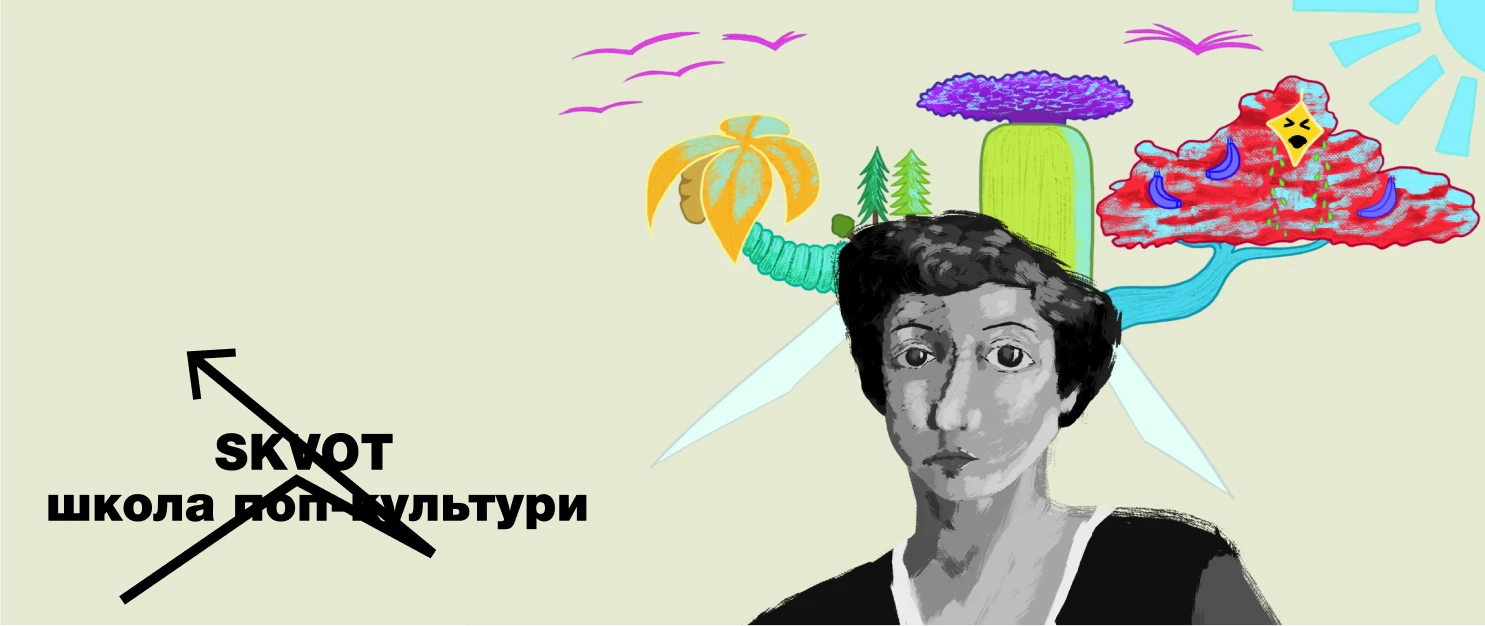

Illustrations by Kateryna Shyshliannikova, a student of Oles Derega’s “Illustration.Basis” course.
The stereotype that only geniuses create revolutionary works and change the course of history is fading. To bring something new into the world, an idea alone is not enough—you also need to know how to realize it. This process is often long and daunting, which is why few dare to attempt it.
We turned to Ukrainian artist Olexandra Exter, one of the most influential figures in the European avant-garde of the early 20th century. Exter’s work contributed to the emergence of Art Deco and Cubo-Futurism, and she radically transformed the theater industry. Today, she is called the “Amazon of the Avant-Garde,” and her paintings sell for millions of dollars.
After studying Exter’s writings and research on her creative journey, we distilled key insights on how to transform an industry.
This article was originally published in Ukrainian on February 2, 2023. The original version featured illustrations by Marianna Polianska.
Don’t Limit Your Ideas
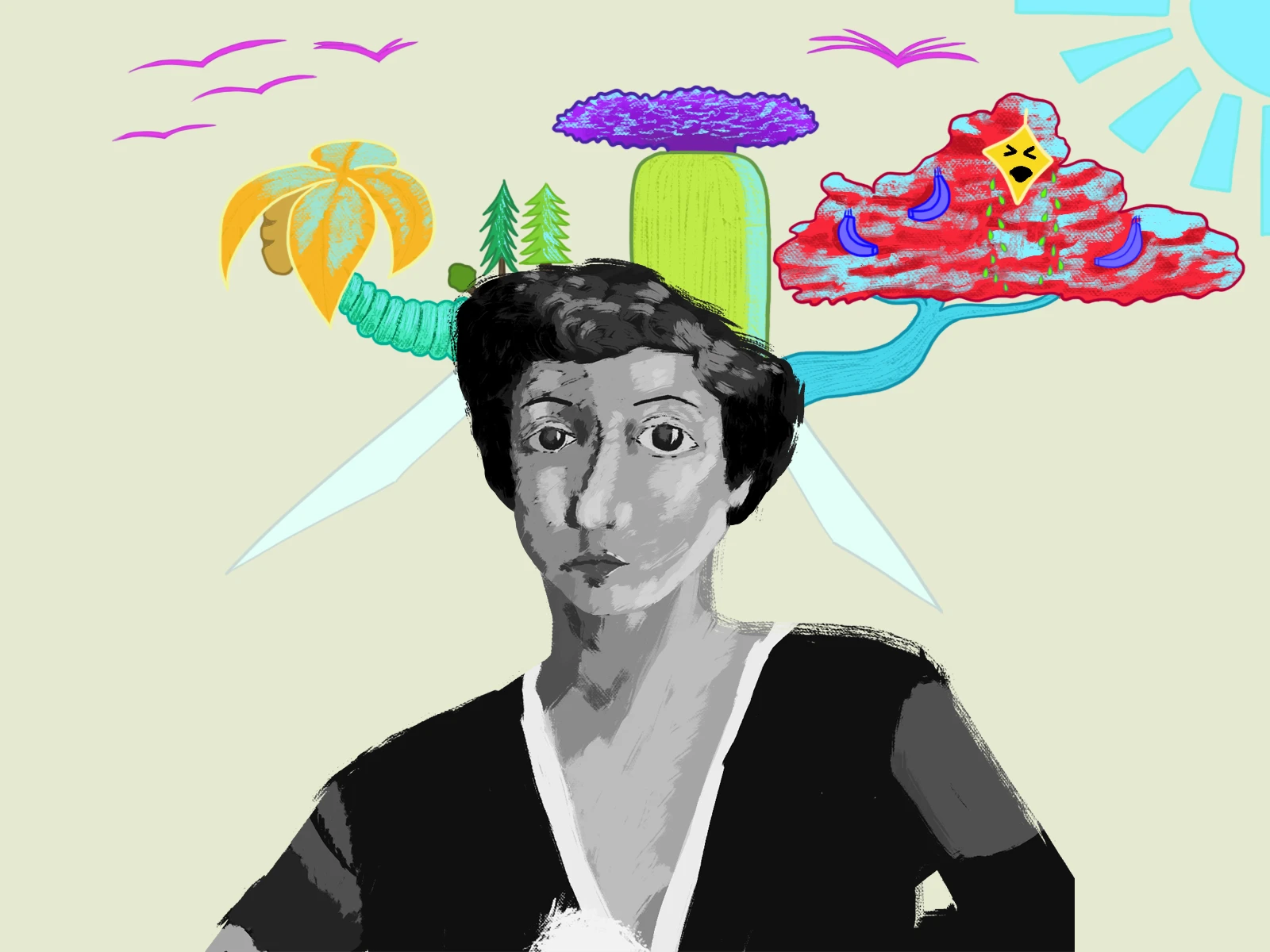
Any creative endeavor is a process, and the fewer barriers there are, the greater the chance of success. You’ll inevitably face constraints like time, energy, and budget—perfect conditions for creativity never exist. But don’t let fear or stereotypes prevent ideas from taking shape.
Preconceptions and blind imitation of past successes can stifle innovation. To avoid this, examine ideas from all possible angles and steer clear of “functional fixedness”—the habit of assigning rigid purposes to things. By that logic, you’d never eat Nutella off a spoon because “spoons are only for soup.”
Exter’s Perspective: In 1918, Exter opened a painting studio in Kyiv where students were not bound by rigid rules but encouraged to engage with “contemporary European explorations” and meet “the challenges posed by new art.” To those working with folk art, she advised: “Don’t be afraid to lose your style and break free from conventional forms.”
Master the Fundamentals
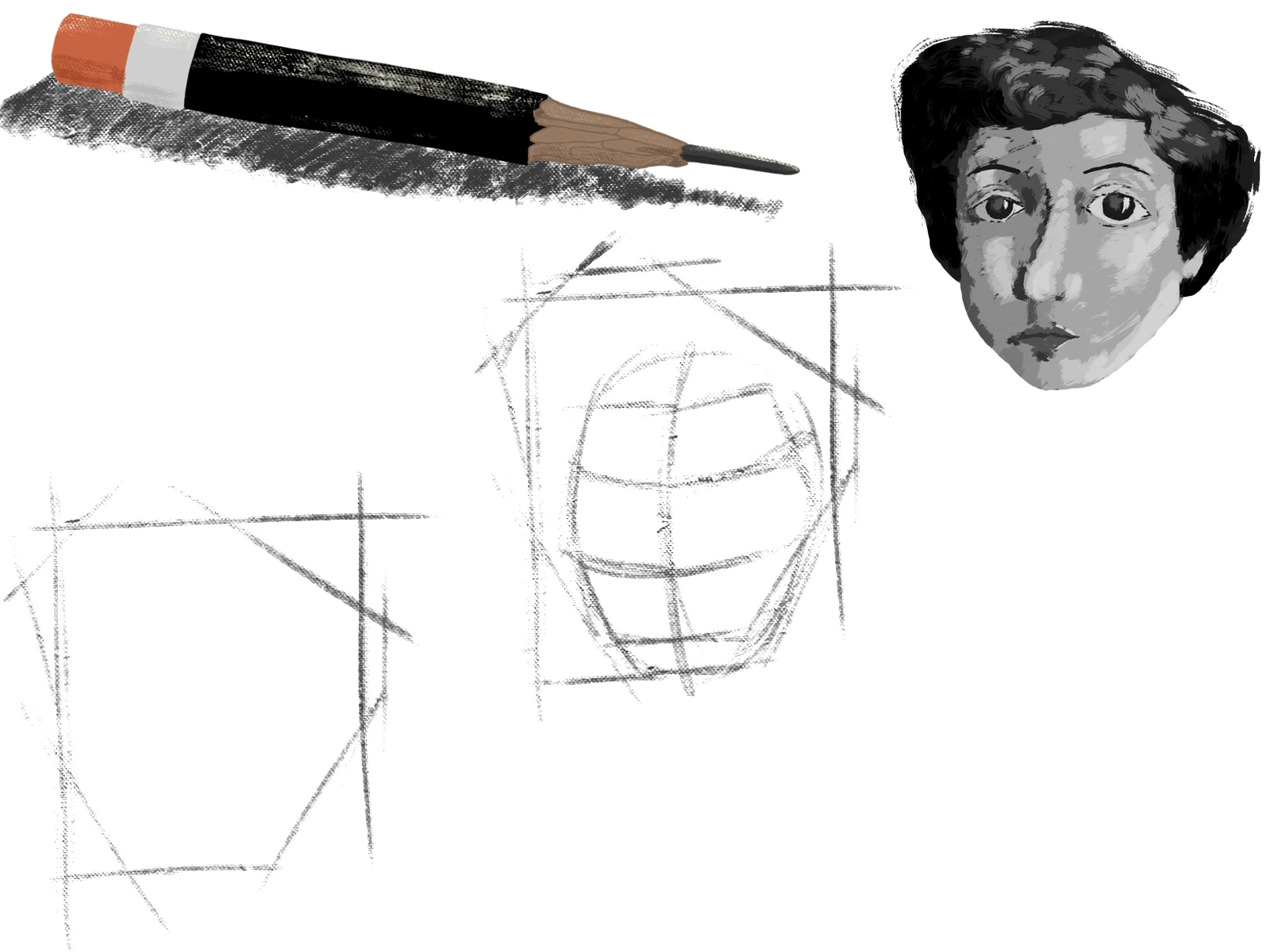
Creating something from nothing is impossible—there are always structural elements, laws, or tools involved. To innovate, you must accumulate knowledge (especially foundational principles) and understand core processes. Study those who have already made an impact and analyze how they shifted the direction of their field.
The key task is to see the bigger picture and identify gaps you can fill. To do this:
#1. Create mood boards and gather references
#2. Focus only on influential case studies
#3. Track trends and competitors’ work
Over time, you’ll learn to distinguish good from bad content—and evaluate your own ideas and creations more critically.
Exter’s Perspective: Despite being an avant-garde artist, Exter never stopped studying classical art. She trained in Paris twice, where she discovered Cubism and began integrating principles of Futurist dynamism into her work. She not only applied foundational knowledge to her own art but also passed it on to others. Teaching in her Kyiv studio, she emphasized that “no discoveries happen by chance; the new does not emerge from a void. To reach it, one must first absorb the most essential aspects of classical art.” Exter drew inspiration from Nicolas Poussin, Henri Matisse, and Paul Cézanne, insisting that students “must be aware of the latest artistic movements that have earned their place in the capitals.”
Consider the Context
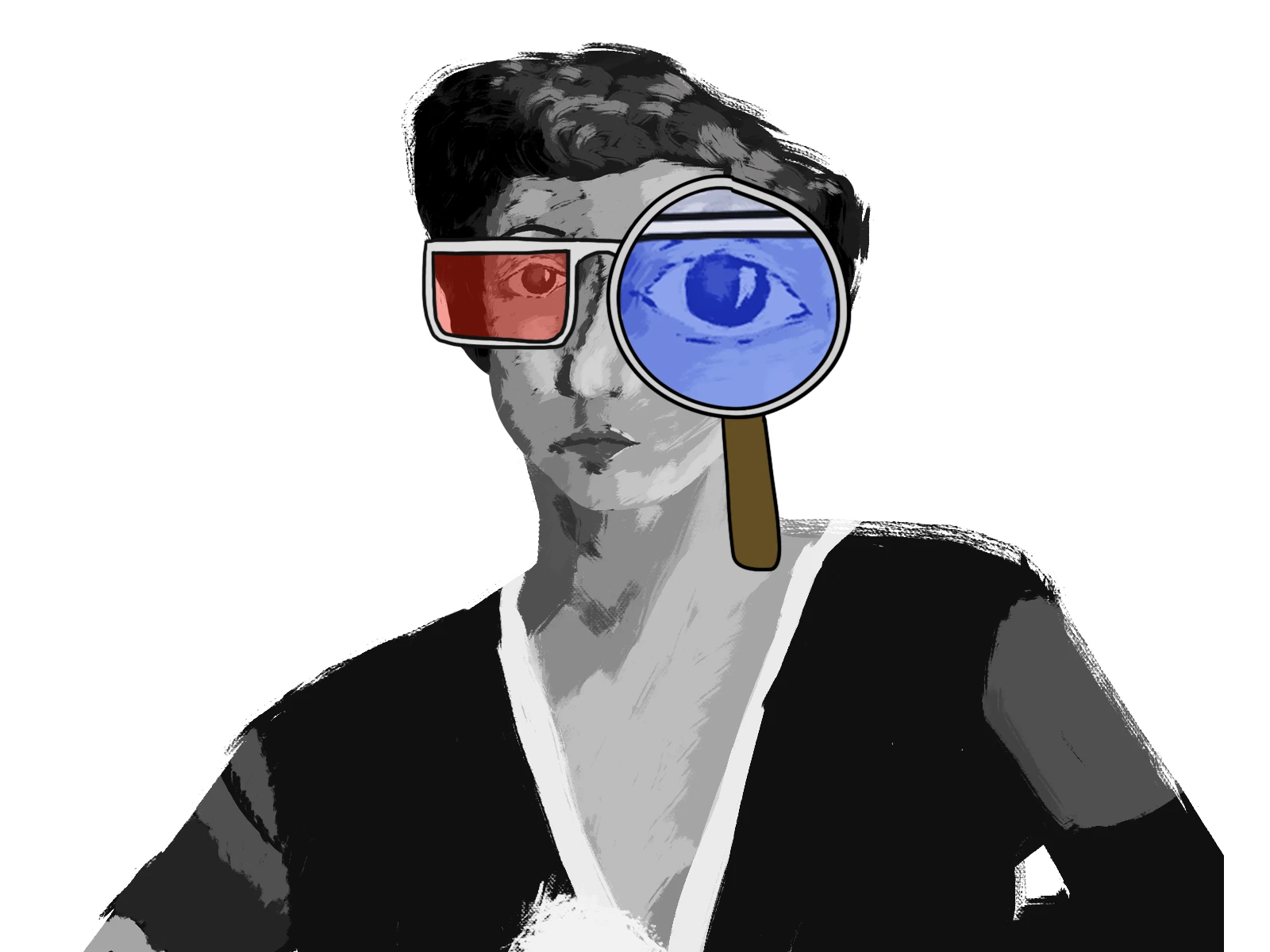
Wars, revolutions, and pandemics dictate new rules and demand fresh approaches to problem-solving. Major upheavals often act as catalysts for change in art.
For example, World War I transformed women’s fashion—while men fought, women took on their roles, leading to a shift in attire: the garconne style replaced corsets, and dark tones overtook bright colors.
Adapt to challenges, but always account for the time, conditions, and place in which you create. It’s crucial to recognize when change is appropriate—and when it’s not. Industry transformation depends on audience demand. To stay relevant, you don’t always need a revolution—just keen observation.
Exter’s Perspective: Exter understood that industry trends depended on many factors, including business interests, but urged artists to “counter” them with genuine needs: “Against modern fashion, which changes at the whim of merchants, we must propose clothing that is appropriate and beautiful in its simplicity. Everyday attire should consist of basic geometric forms.” A month before World War I, she declared: “Fashion has reached a dead end. For progress, something must happen.”
Stay Flexible
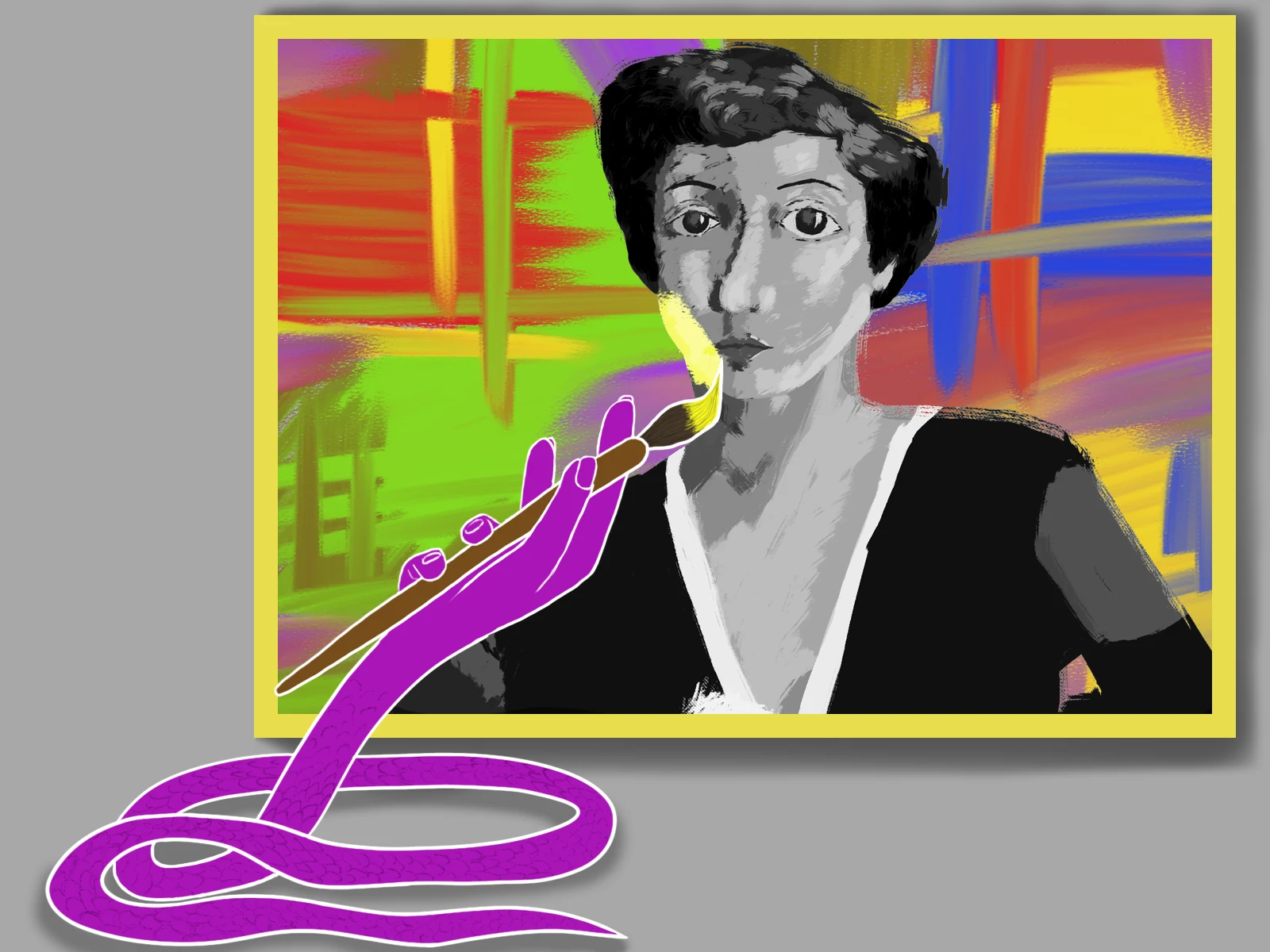
If you consider yourself an artist, nothing stops you from trying film directing or design. No one (except yourself) can forbid you from influencing other industries—what matters is that it excites and genuinely interests you.
The best approach is to explore fields adjacent to your own. For example, if you brainstorm video concepts, try filming one yourself—it might not work the first time, but you’ll find support along the way. The key is consistency: don’t take on everything at once, and don’t expect instant results.
To make switching between disciplines easier, develop cognitive flexibility—the brain’s ability to adapt quickly to change and respond to unpredictability. To train flexible thinking, avoid linear thought, play chess and puzzles, read detective novels, and set aside time for reflection.
Exter’s Perspective: A multifaceted artist, Exter succeeded in many fields. Her early works were influenced by Impressionism, but she later embraced newer movements. She excelled in interior, exhibition, and fashion design, as well as book design. Yet she became best known as a pioneer of stage design, introducing three-dimensional sets. She believed that “the pace of modern life demands minimal time and energy expenditure in production.” Yet she was “logical in her development and aspirations… never rushed, but consciously moved from one pursuit to the next, each more challenging.”
Develop Your Own Vision
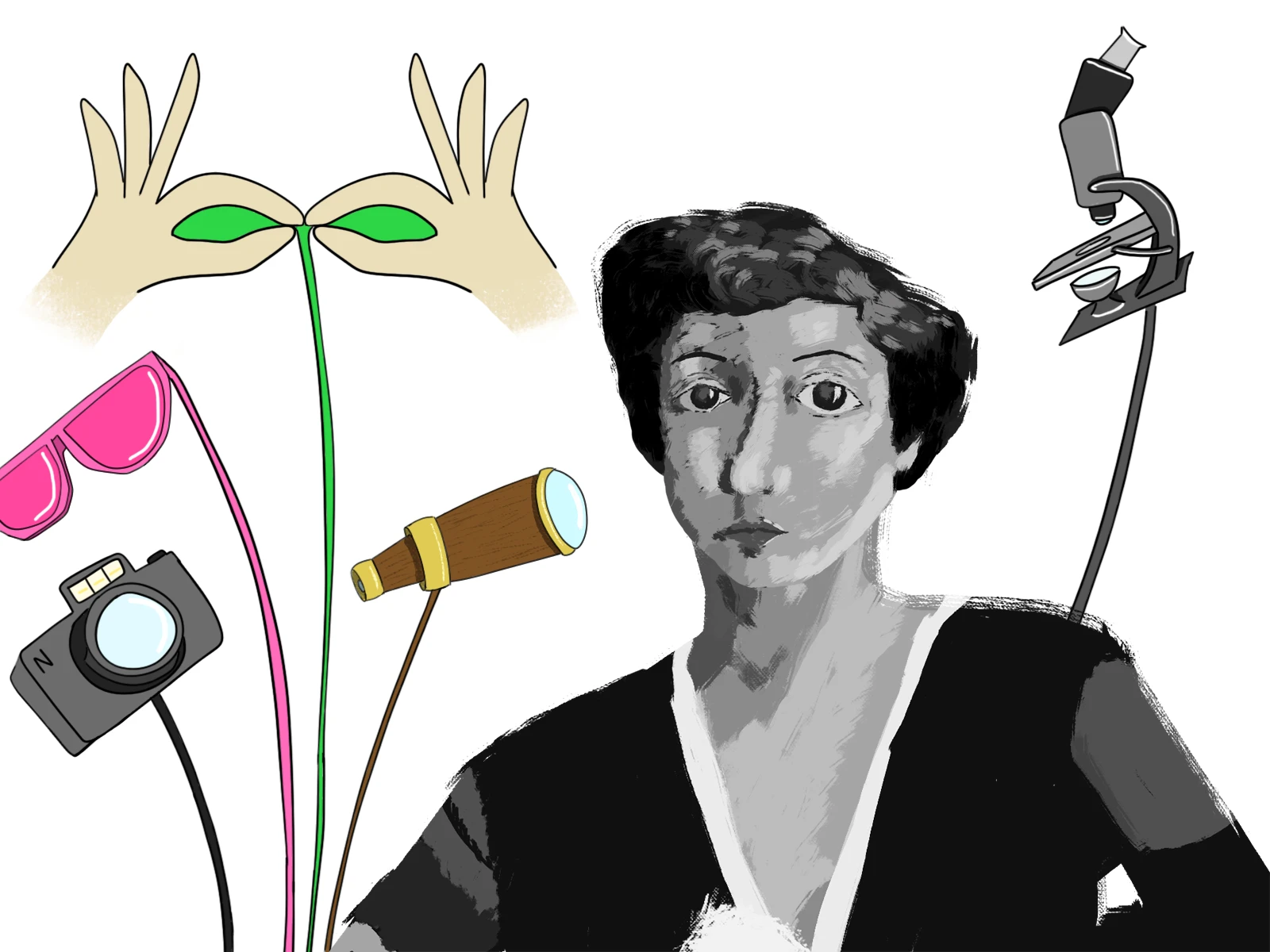
To create something new, you must learn to form a far-reaching yet realistic vision of what you want to do. In a way, you’ll need foresight—not to become a prophet, but a visionary.
As an artist, you must master your craft—then surpass it. At this stage, stop thinking about what others have taught you. Sometimes, break the rules and follow your instincts. Your creativity is a reflection of how you perceive reality, shaped by your emotions, experiences, and choices. Trust these elements—and you’ll discover unique insights within yourself.
To maintain momentum without burning out:
#1. Separate constructive criticism from toxicity
#2. Treat failures as experience
#3. Plan and document your actions
#4. Avoid perfectionism
#5. Make time and space for rest
Exter’s Perspective: Exter had a unique approach to color, defending its importance in Cubo-Futurism while Cubists viewed it as purely functional. Her perception of color was influenced by the vibrant palette of Ukrainian folk art.
Researchers noted the “explosions of color” in her work: “If form often consumes color in Picasso’s paintings, Exter’s colors overflow, defying compositional laws and conventions, emphasizing that the internal laws of color are as vital as those of any other element.”
At one point, artist Fernand Léger criticized Exter for her overly bright palette, leading her to paint monochromatically for a time. But eventually, she returned to her signature style.