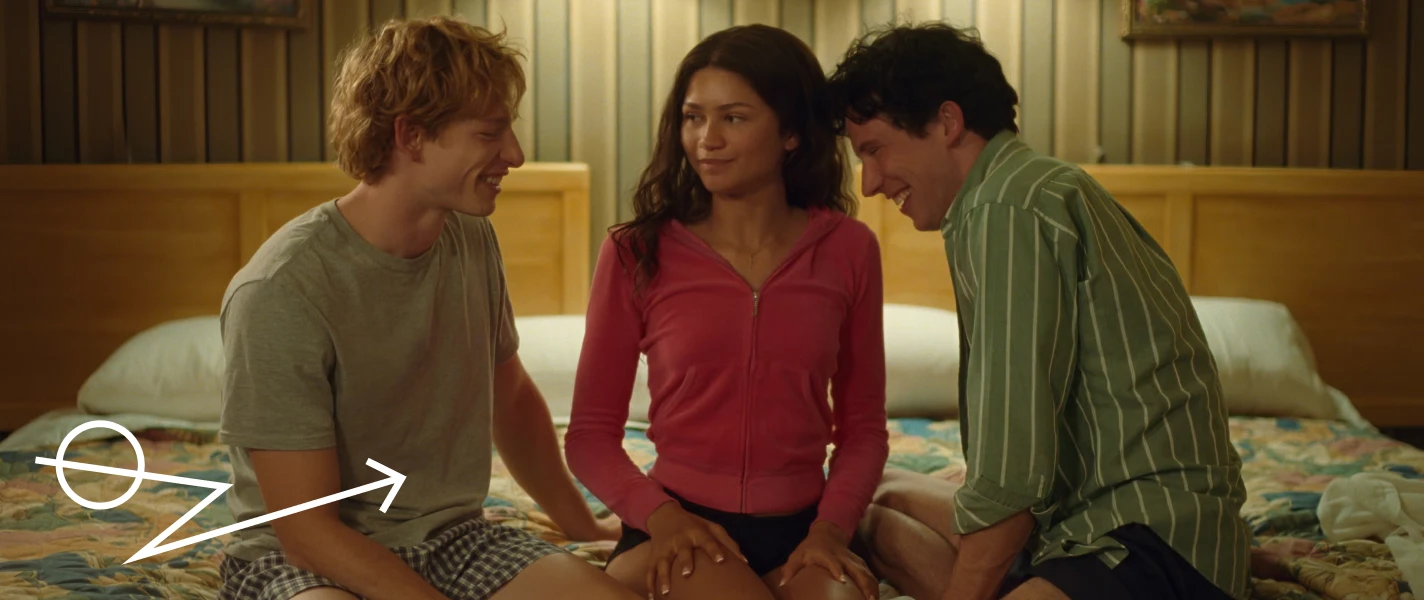

A brief scene of intimacy or nudity can cause an actor months of anxiety. And if something goes wrong on set, it also could mean years of therapy. To ensure that simulated sex scenes don't lead to so much stress, the cast needs an advocate (aka an intimacy coordinator). This person ensures that nudity scenes are filmed appropriately — without pressure, a crowd of onlookers, and with respect for human dignity.
We asked Tolu Oshodi what exactly an intimacy coordinator does. With 15 years of experience in dance, a degree in psychology, and certificate from the Intimacy Professionals Association in 2023, Tolu is well-equipped for the job. She’s learning from the best — her mentor Jenefer Odell has worked on projects like Sex Education, the second Dune, and The Gentlemen.
Why an intimacy coordinator doesn’t spoil the fun, and what skills are required to become one — find out in our interview with Tolu.
The profession of intimacy coordinator only came into the spotlight about 10 years ago, even though cinema has been around for over a century. Why is that?
Intimacy coordinators (IC) have existed unofficially on sets for a long time, much like how cultural consultant are brought in to ensure accurate representation in films about specific cultures. These individuals would help with scenes involving nudity or simulated sex, but their roles were not formalized.
The reason why it really came into the limelight was largely due to the Me Too movement. When actors and crew members began sharing their experiences of what they’d gone through on set, it highlighted the lack of someone officially ensuring these things didn’t happen. It made people realize, “Oh my God, why isn’t there somebody officially helping to mitigate this?” So, I think the Me Too movement had a lot to do with bringing the role of ICs into an official capacity.
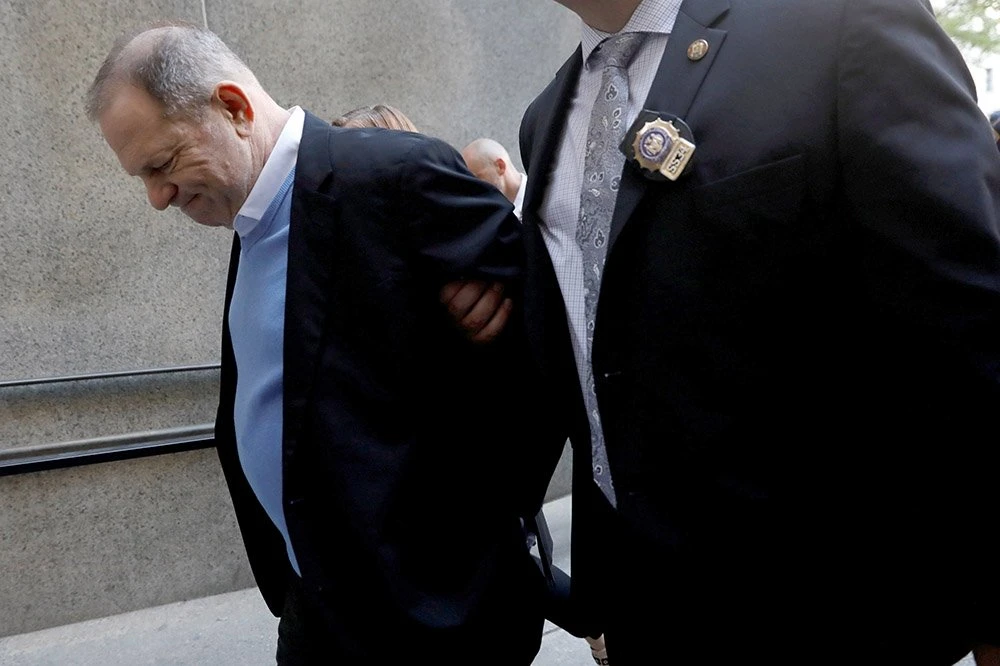
Harvey Weinstein's arrest in 2018. He is one of Hollywood's most influential producers, accused of rape and sexual harassment. Source: bbc.com
Who is an intimacy coordinator, and at what stage do they get involved in the production of a film?
Essentially, you could call an intimacy coordinator an advocate for the cast. ICs act as a mediator between the cast and the production or directors, ensuring that the cast's needs, wants, and safety are prioritized. They also assist the director in realizing the creative vision for scenes involving intimacy, simulated sex, or nudity. While they serve both the cast and the production, their primary focus is on ensuring that the cast is comfortable with what is being asked of them.
As for when an intimacy coordinator gets involved, it really depends on the production. In the ideal world, they would come in during pre-production, just like the director of photography or costume designer, especially if the production has a lot of intimate scenes. This allows them to do the full scope of their work, including speaking to the cast and crew before rehearsals. However, an IC might be brought in at the last minute, even just a few days before filming.
Is an intimacy coordinator only needed when there are scenes of sex and nudity in a film?
If there is simulated sex or nudity in a production, an intimacy coordinator is now required to be on set. For something like a kiss or implied nudity, an IC is recommended but not legally required.
For scenes with intimate themes but no physical intimacy, an IC may be suggested, though not necessarily required. The need depends on the intensity of the theme — if it’s light, the recommendation might be more flexible, but for something intense or dramatic, the recommendation is stronger.
ICs aren’t only needed for simulated sex and nudity. For example, I’ve been on set where a character was implied to have a miscarriage. There was no explicit content shown, just some fake blood on the character's hands. I was there to ensure the actor was okay, but in other cases, an IC might not have been present. It often depends on the production’s discretion.
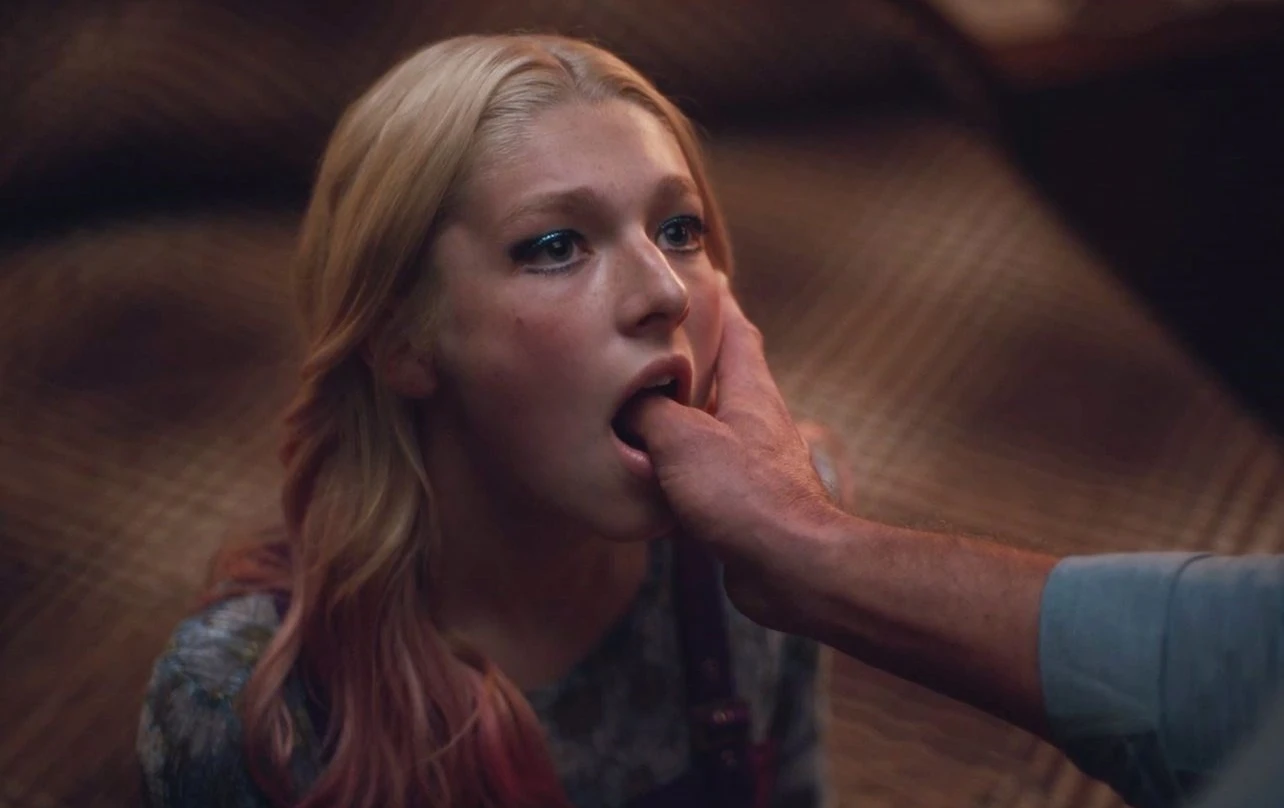
A still from the series Euphoria.
There are guidelines in the industry (SAG-AFTRA, ACTRA) that set rules for nude and sex scenes — is it more of a set of recommendations, or are they mandatory for everyone?
Since I work and live in the UK, I don’t have much direct contact with productions governed by SAG-AFTRA or ACTRA, which are primarily in the U.S. and Canada. However, during my training with the Intimacy Professionals Association, I learned about their guidelines.
It’s the production’s responsibility to enforce these guidelines on set, not the intimacy coordinator’s. The IC acts as a reminder to ensure guidelines are followed, particularly in legal matters like nudity rights. For example, if an actor specifies that they don’t want a certain part of their body shown on screen and it still ends up on screen, the production would be legally liable, not the IC. The IC’s role is to advocate for the actor and ensure their wishes are respected, but the enforcement falls on the production.
This year, a specialty in intimacy coordination was introduced at the British Film School, whereas a few years ago, this profession was barely taught. If not through specialized courses, what background might be needed to become an intimacy coordinator?
When I started training, there was a mix of people, but some commonalities existed among us. For example, my background is in dance, psychology, yoga, art, and film. I’ve worked on sets in the art department, and I have directed a couple of things myself. My degree in psychology gave me an interest in people, and my dance experience helped me understand the body and choreography.
And, obviously, an interest in sex. If someone isn't afraid to show it on screen and appreciates the creativity involved, then they might be well-suited for thе role of IC. While a background in movement or film can be helpful, it’s not strictly necessary. What’s most important is a sense of advocacy — caring about people and wanting to ensure they aren’t taken advantage of. Intimacy coordination is a safeguarding role, involving legal, creative, and emotional aspects.
If there is no intimacy coordinator on the team (due to a small budget or the lack of such professionals in the market, as in Ukraine), what can the team do on their own to ease the filming of nude scenes?
At a minimum, the production can close the set during intimate scenes, allowing only essential personnel like the director, DP, and a small camera crew to be present. This helps prevent the actors from feeling super uncomfortable or super self-conscious with too many people around.
Additionally, directors should be very collaborative. Since the dynamic is primarily between the director and actors, the director needs to be open to adjustments if the actors express discomfort. It’s also helpful to have someone on set who can serve as a channel of communication between the actors and the director. This ensures that actors feel confident and comfortable to say yes or no, which is crucial for delivering a good performance.
What is modesty wear?
Modesty wear serves two main purposes on set: preserving the modesty of the actors and acting as a barrier during simulated sex scenes. This type of clothing or accessory ensures that no actual nudity is shown while still giving the appearance of it, depending on how the scene is framed and shot.
There are various options for modesty wear, ranging from expensive, professionally made items to simple DIY versions. For example, one simple barrier used during my training was a yoga mat cut into a specific shape, placed between an actor’s legs to simulate oral sex without any contact.
Another example is using skin-tone underwear or thongs that match the actor's skin color. These can be positioned so that the actor appears to be naked on camera while still being modestly covered.
@intimacycoordinator Your body hair, your choice ❤️ @Ulike Beauty #ulikeair10 ♬ original sound - Jessica | Intimacy Coordinator
Modesty wear varies in cost and execution, but they are an important option to consider. While intimacy coordinators often have modesty wear in their kits, the costume department typically manages these items and can order specific pieces as needed for a shoot.
The 2020s have brought sex back into films, possibly due to the lack of physical experiences during the pandemic. However, Gen Z seems to want less intimate content on screen. What does the future hold for sex in cinema?
It's hard to say what the future holds. As an intimacy coordinator, I want there to be more sex on screen because that's part of my job. But it's not about sanitizing or censoring that content — it's about ensuring that intimate scenes are done safely and without causing harm. There's a common misconception that ICs are there to sanitize everything, but in reality, we want these scenes to look realistic and artistic, just without causing the long-lasting trauma that has happened in the past.
There is some reluctance in the industry to film sex scenes because bringing in an intimacy coordinator is now required, and some people think that takes the fun out of everything. But cinema is art, and people will always make art. If a story involves intimacy or nudity, it should be done with an intimacy coordinator to ensure it’s done safely. People will never stop talking about or thinking about intimacy, and it all depends on how filmmakers choose to portray it on screen.
Right now is actually the best time to create more intimate scenes because we have trained professionals who can help make sure these scenes are done as safely as possible. While we may not always get it right, the fact that this role exists now means we can mitigate many of the issues that arose in the past. Although it seems like intimate content might be on the decline, I believe people will always want to tell intimate stories. The new generation of actors and directors are used to having intimacy coordinators on set, so it's becoming an industry standard.